
Last updated on October 14th, 2026 at 03:57 pm


as simple as 1, 2, 3
as simple as 1, 2, 3
1. storing the tubs
Tubs must be stored in a dry location, ideally out of high heat, humidity, and direct sunlight. Do not lay tubs on their sides. Do not stack 250-pound tubs more than two high, 125- pound tubs more than three high, and 60-pound tubs more than six high.


2. feeding the tubs
Position tubs where cattle can easily locate them. Set one tub out to every 50 head and monitor intake. Some overconsumption can be expected during the first few weeks as cattle get onto the tubs. Always offer free- choice salt when feeding Riomax® Lick Tubs unless consulted otherwise. If using block salt, set out 2 salt blocks to every 1 tub or approximately 1 block per 25 head. If using loose salt, a minimum of 1 loose salt feeding station per 200 head is recommended. Placing 1 salt block on top of each tub is a good practice to help reduce the potential for initial high consumption of the Riomax® tub.


3. managing consumption
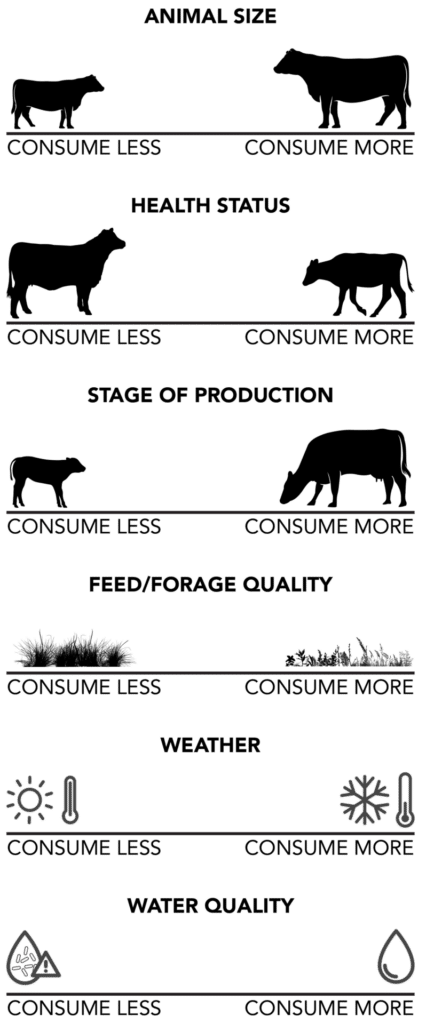
Consumption levels may vary according to the factors listed on the right. Cows will self-regulate on Riomax® tubs between 1/8 - 1/3 lb per head per day. It’s important to know that its never just one factor that affects consumption up or down, it is always a combination of factors that causes variation in consumption. Use these principles as a guide for how to predict and manage your tub consumption so you can achieve the correct consumption.
Biodegradeable Tubs
These biodegradable tubs are an excellent choice for large pastures, mountain pastures, forest allotments, etc. Do not use in low/wet areas or areas of confinement that are prone to extremely muddy conditions.

COSTGUARD90™ Consumption Guarantee
Every Riomax® lick tub comes with the COSTGUARD90™ consumption guarantee. A guaranteed consumption rate gives you complete peace of mind and enables you to forecast your actual input costs.
COSTGUARD90™ is calculated after 90 days of being on the product and in a minimum of 90-day increments ongoing.
If the situation was such that consumption on the lick tubs was higher than the guarantee after 90 days, we will provide you with FREE product to compensate the overconsumption.
It's simple...and the risk is off your shoulders.

Whenever there’s question of proper utilization of this product, refer to the User’s Guide or contact a company representative.
Ultimately cattle and herd health is the responsibility of the rancher, however effective utilization of this supplement has been known to produce exceptionally positive incremental health results and performance improvements.
Manufacturer cannot guarantee specific results in all operating conditions.
Manufacturer is not liable for accidents from handling heavy tubs or using them incorrectly.
Manufacturer is not liable for incidental, consequential or special damages, including lost profits.
Performance issues can be caused by factors outside of manufacturers control, such as improper management or environmental issues. An example might be inadequate nutrient content in forage, which can be tested.
Do not provide starved animals free access to this supplement.
Placement of tubs can influence grazing. Consumption rate depends on location of the tubs with respect to loafing, grazing, feeding and/or watering areas.
Manufacturers’ remedies for loss are limited to replacing product or refunding purchase price, not broader liability for animal performance.
Designed to be self-fed to beef cattle consuming adequate quality forage. Consumption of this supplement will vary depending upon the condition of the animals, quality and quantity of forages being fed and seasonal weather conditions.
This product does not contain added salt; therefore supplemental salt should be offered at all times.
6 visual differences ranchers notice using the riomax tubs.
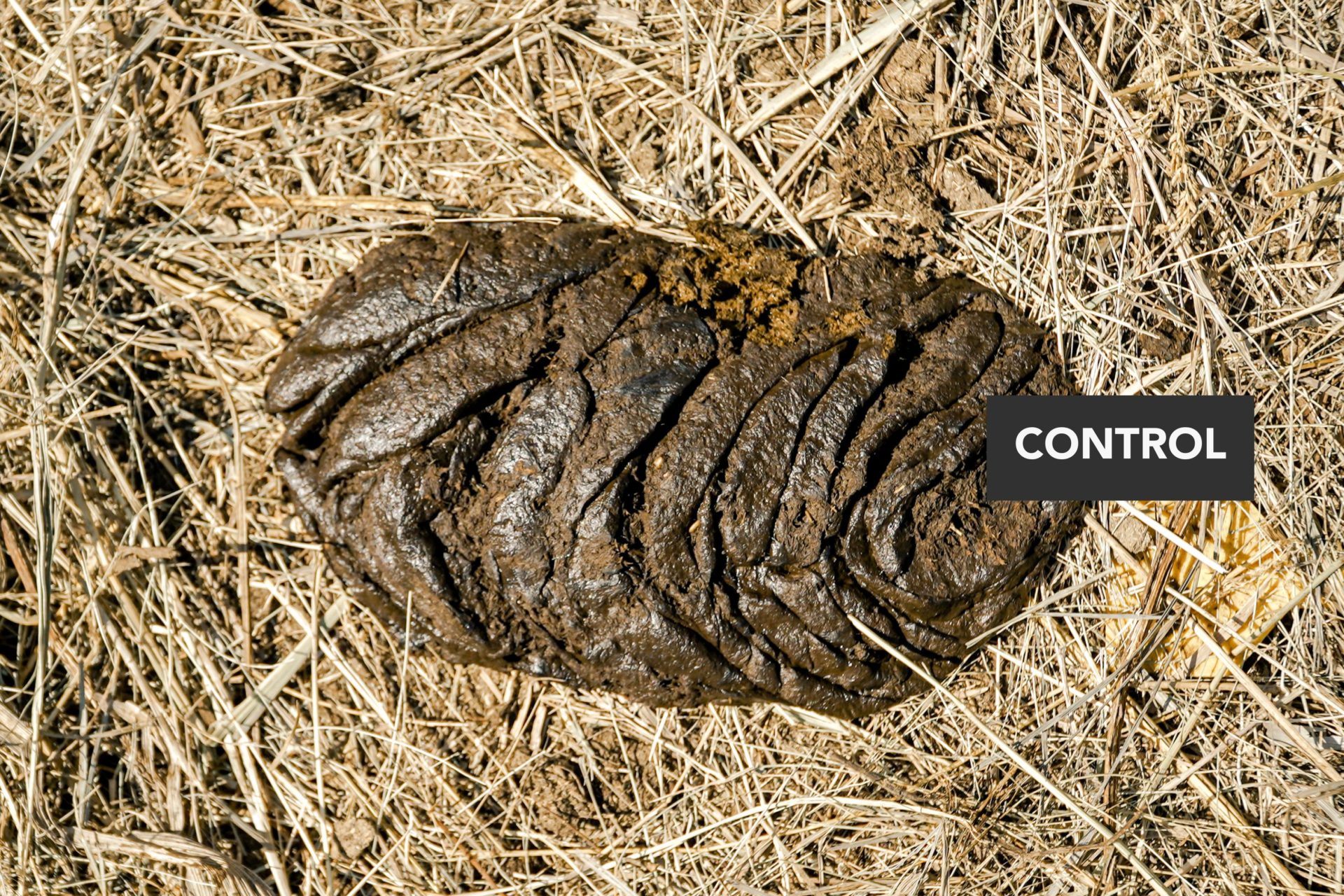
1. manure score improvement
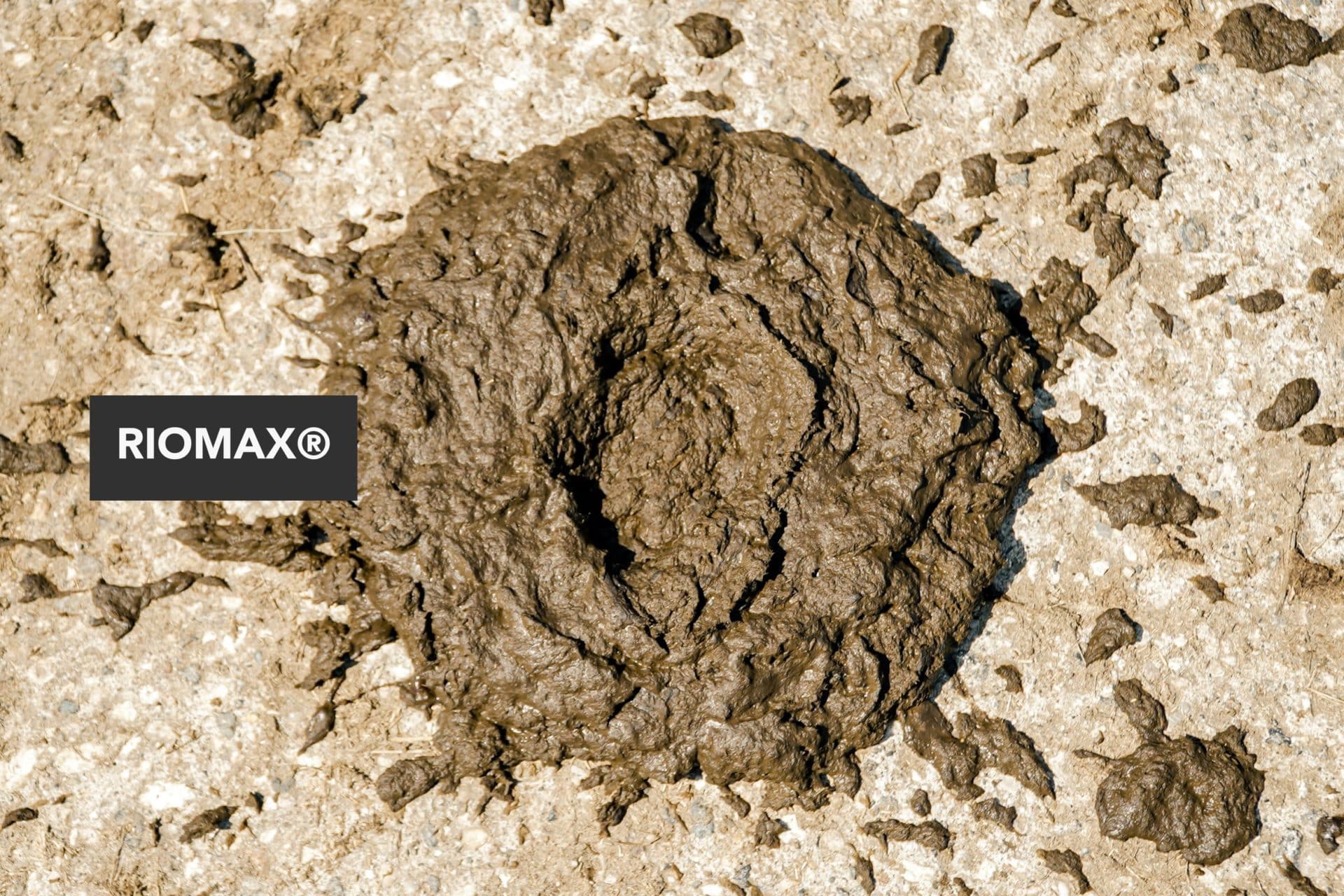
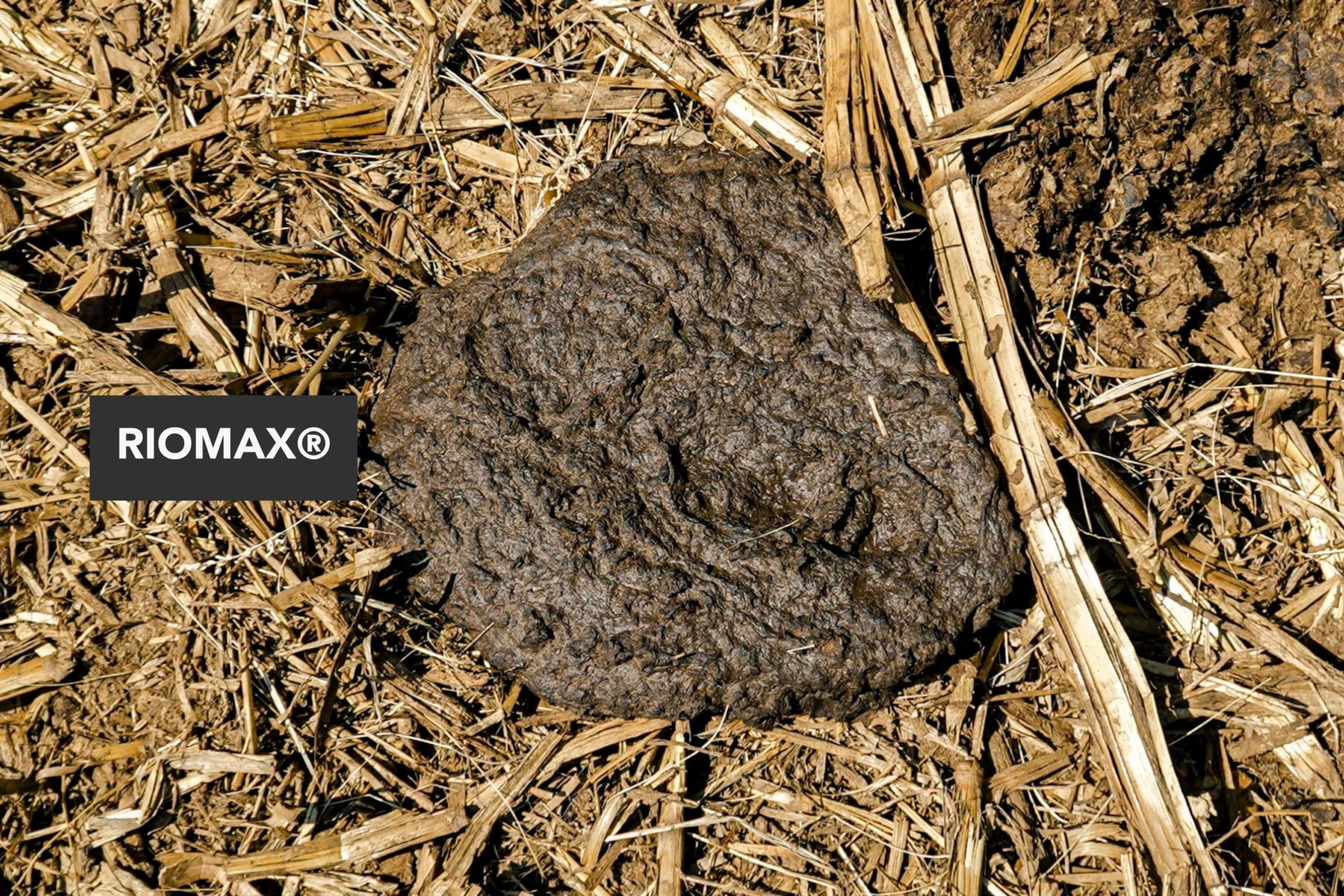
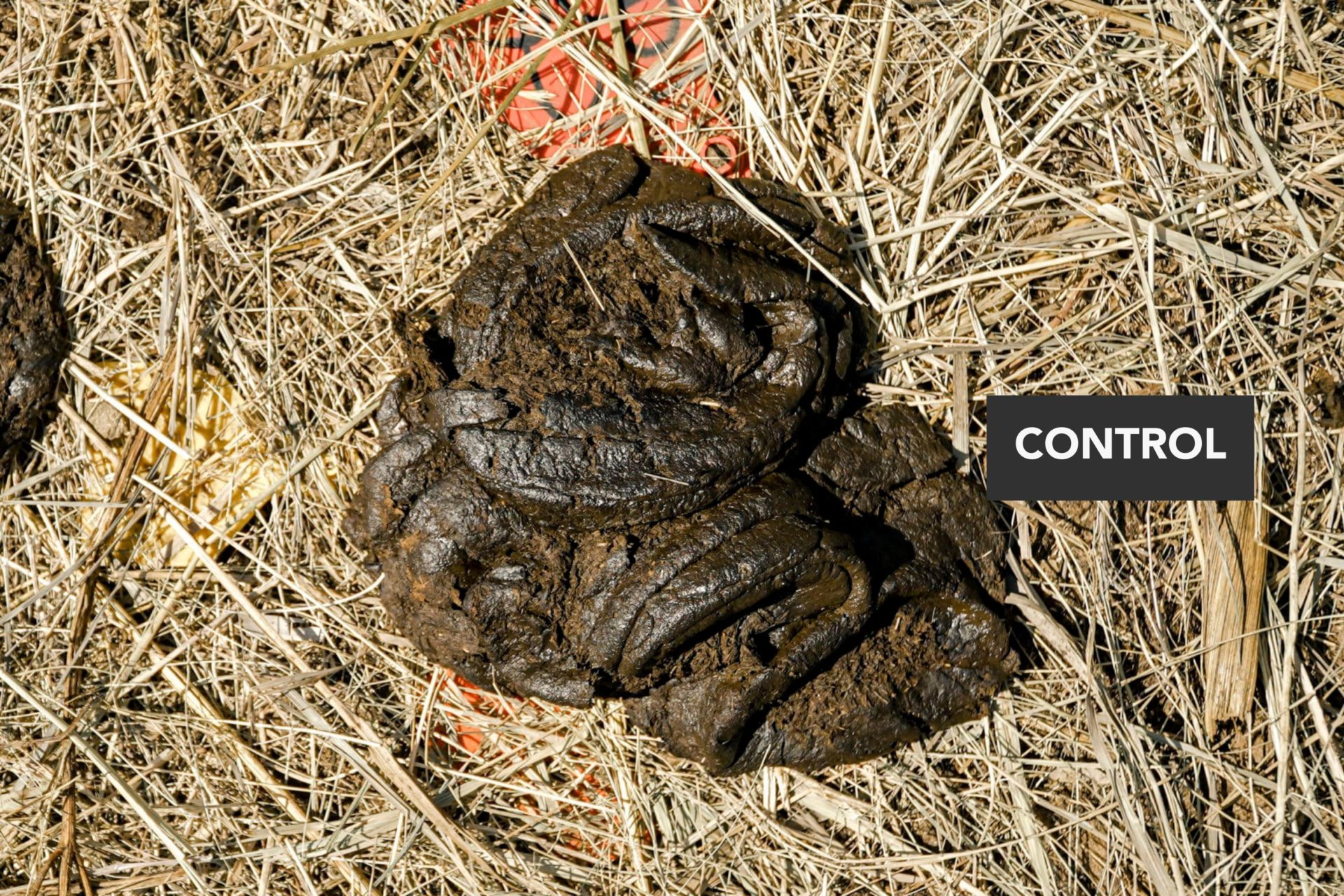
Improved digestion (hay & forage savings) can be seen in the manure consistency. Not stacking up. More like the consistency of pancake batter with a center divot. This means the cow is breaking down and using more of what she’s consuming.
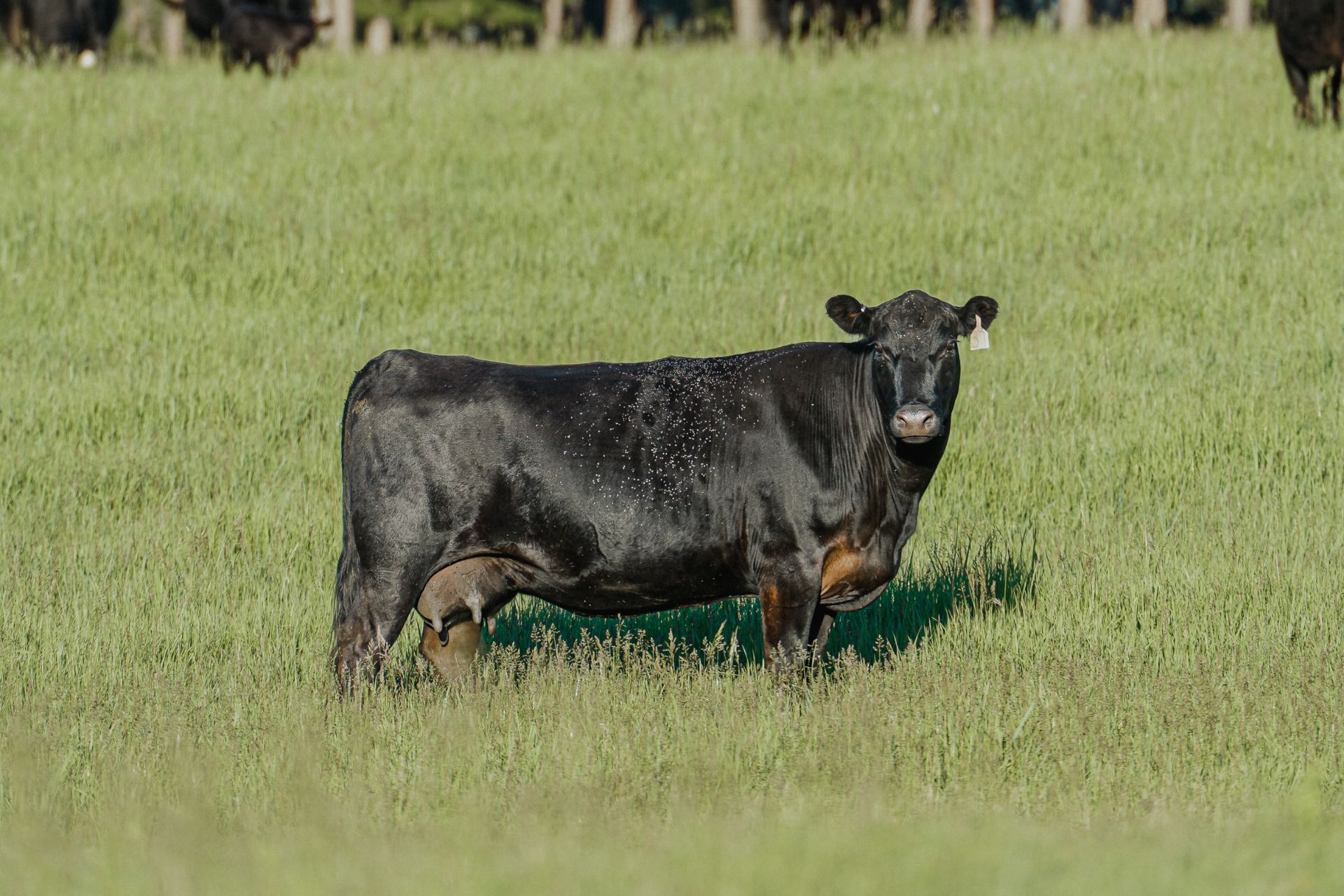
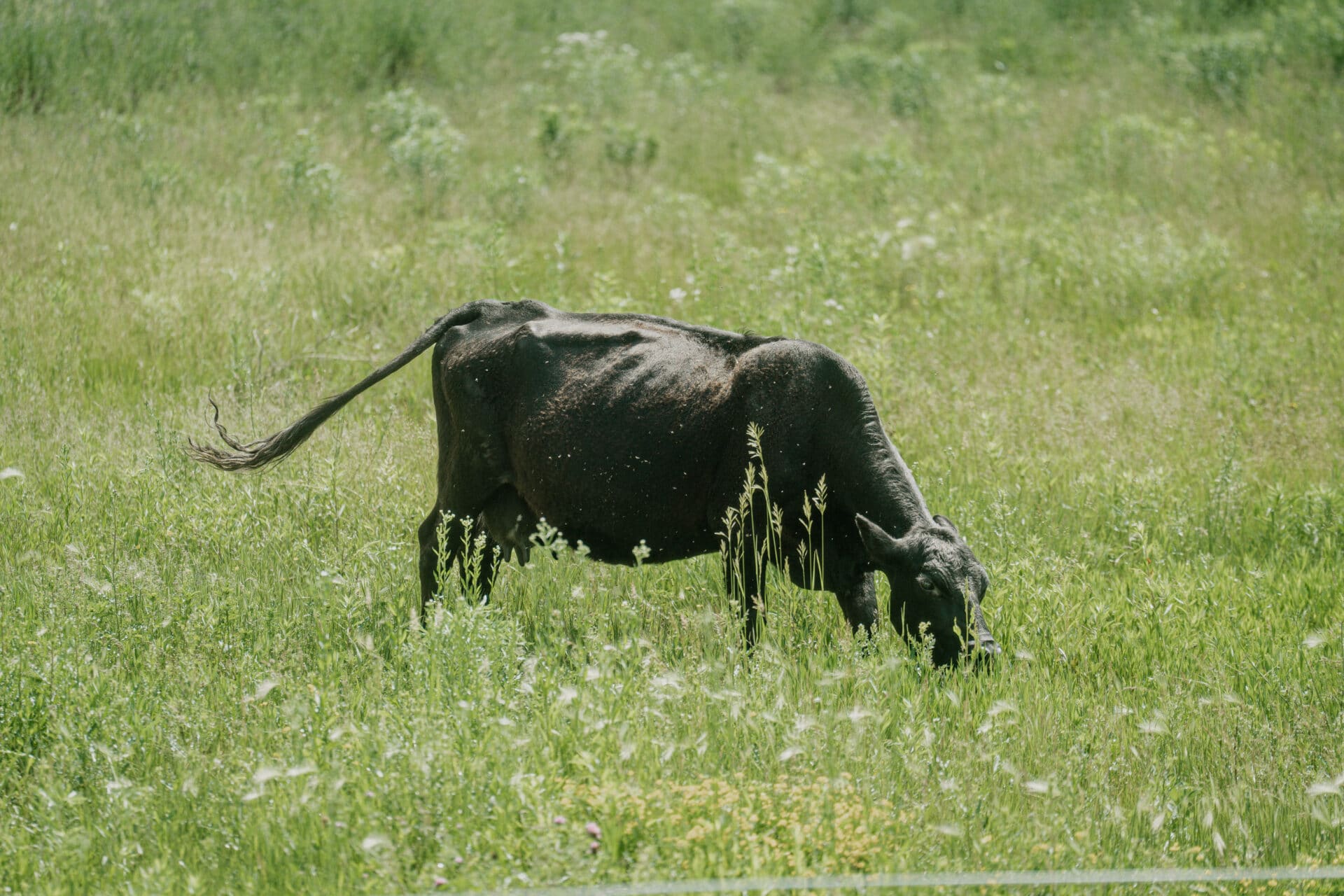
2. body condition
Improved body condition with the same forage quality or feed amount.
WITH RIOMAX®
WITHOUT RIOMAX®

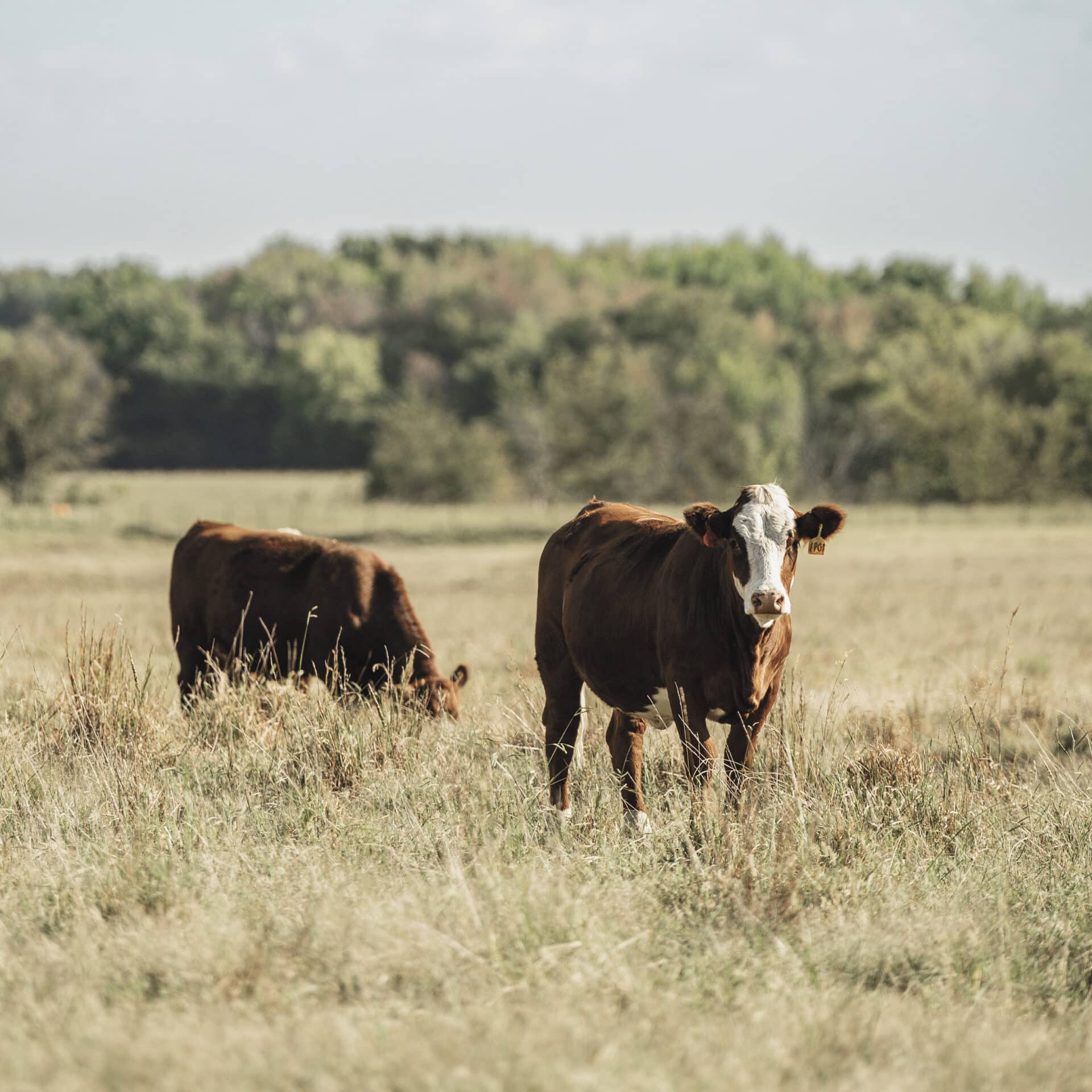
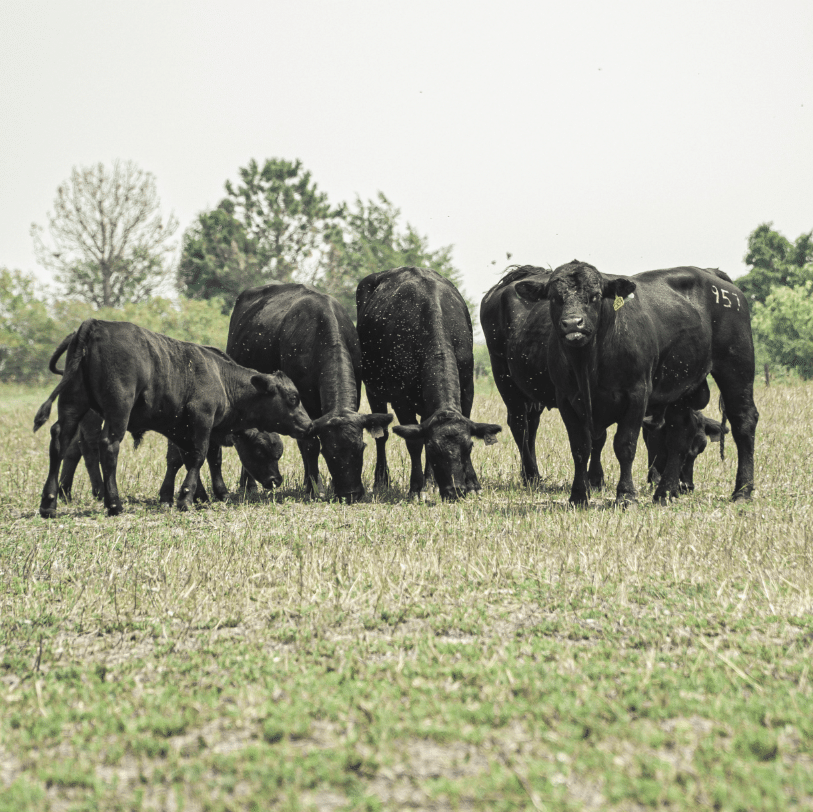
3. forage savings
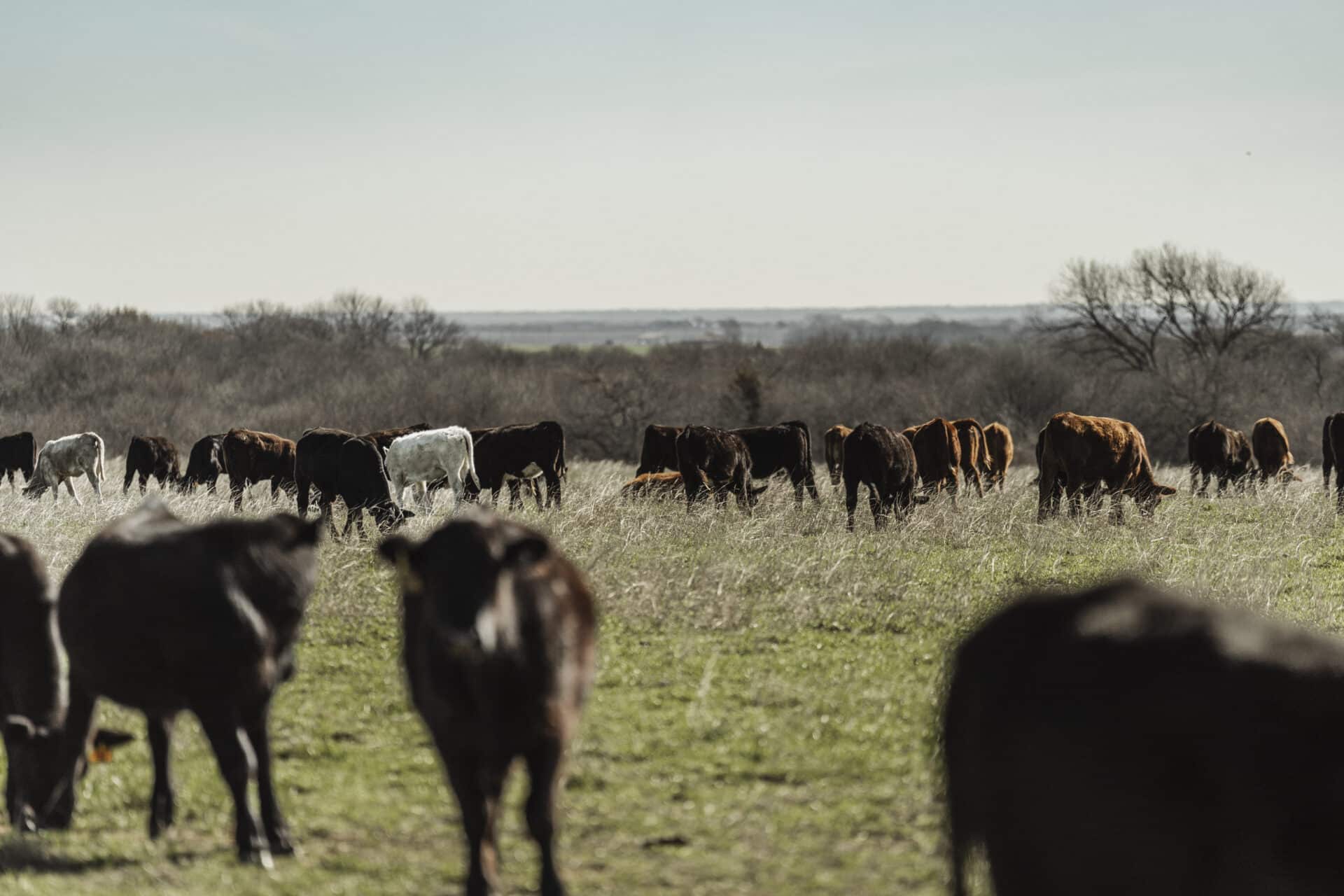
More days on a pasture or more forage left when you move.
WITH RIOMAX®
WITHOUT RIOMAX®
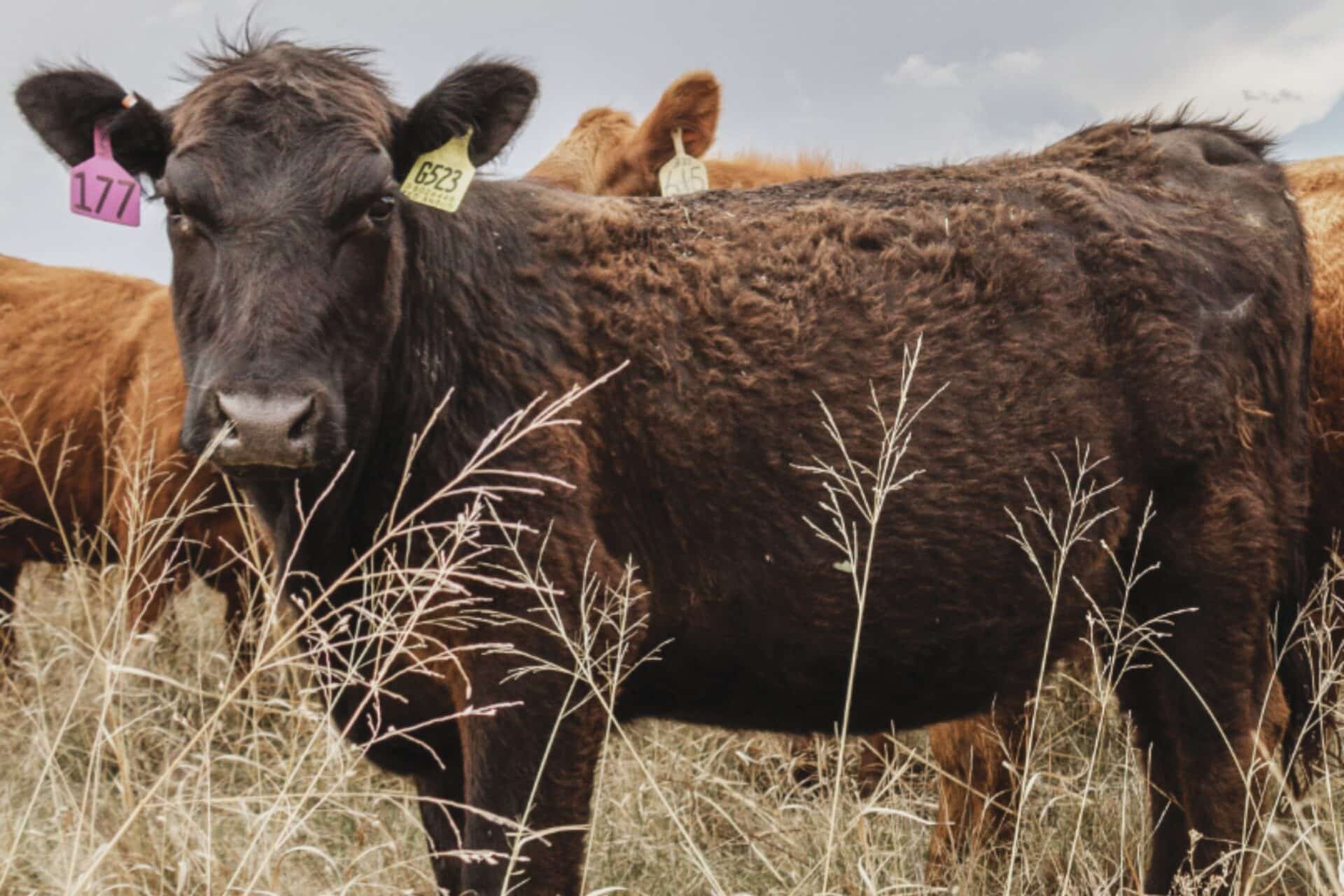
4. haircoat
Cattle slicking off with a smooth and shinier haircoat.
WITH RIOMAX®
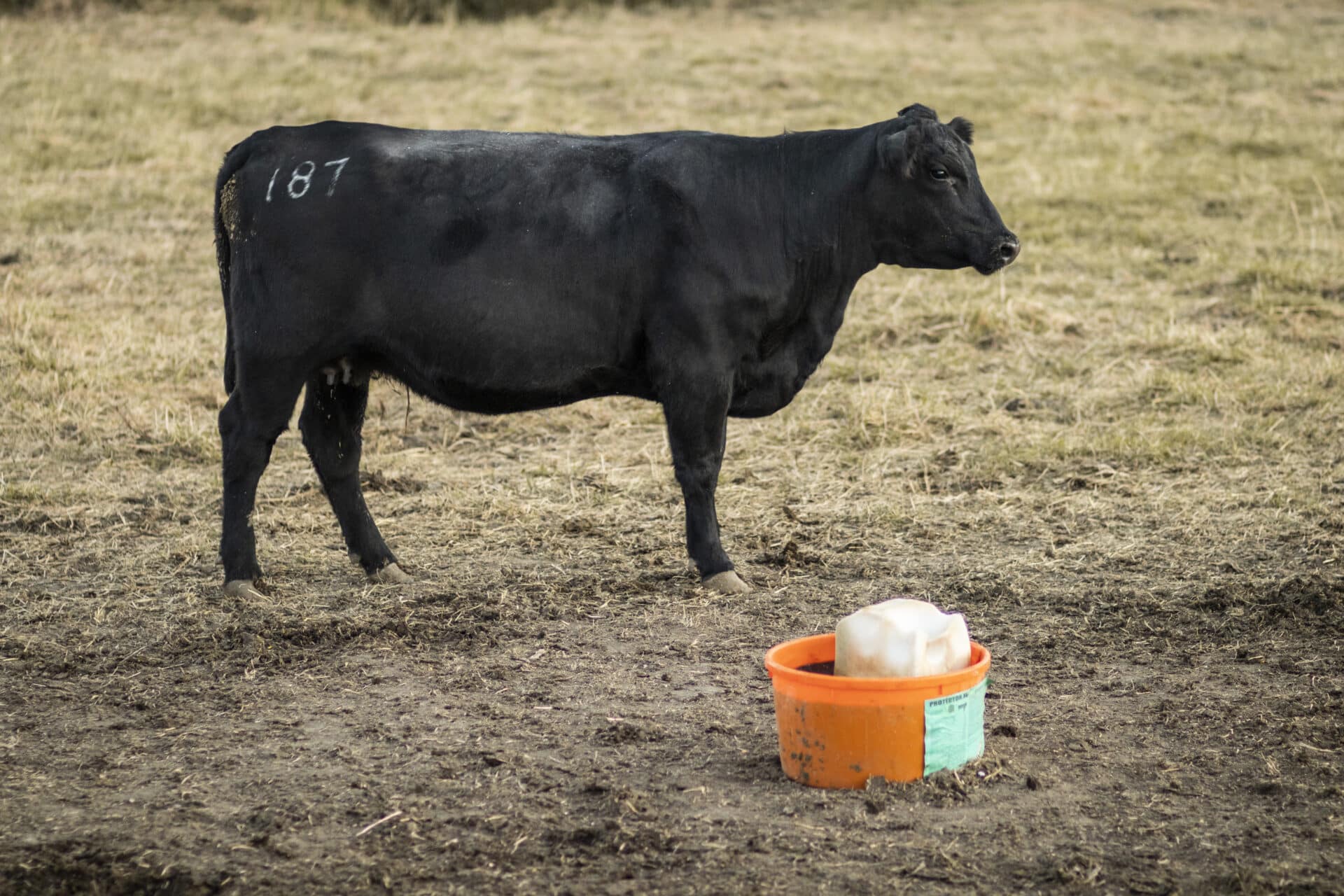
WITHOUT RIOMAX®
5. feed savings
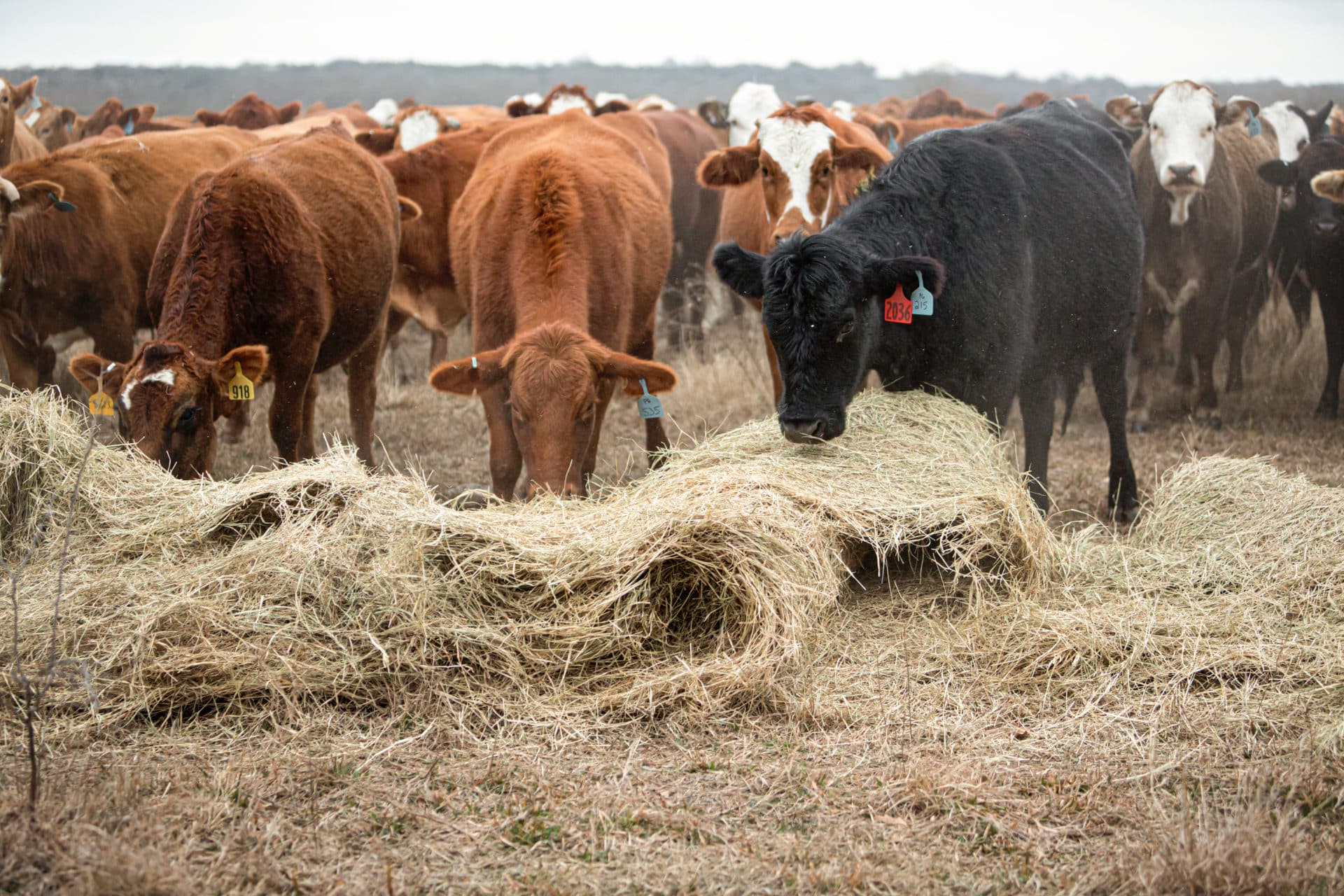
Not cleaning up all the hay or feed you’re giving them. Then, you can feed less.
WITH RIOMAX®
WITHOUT RIOMAX®
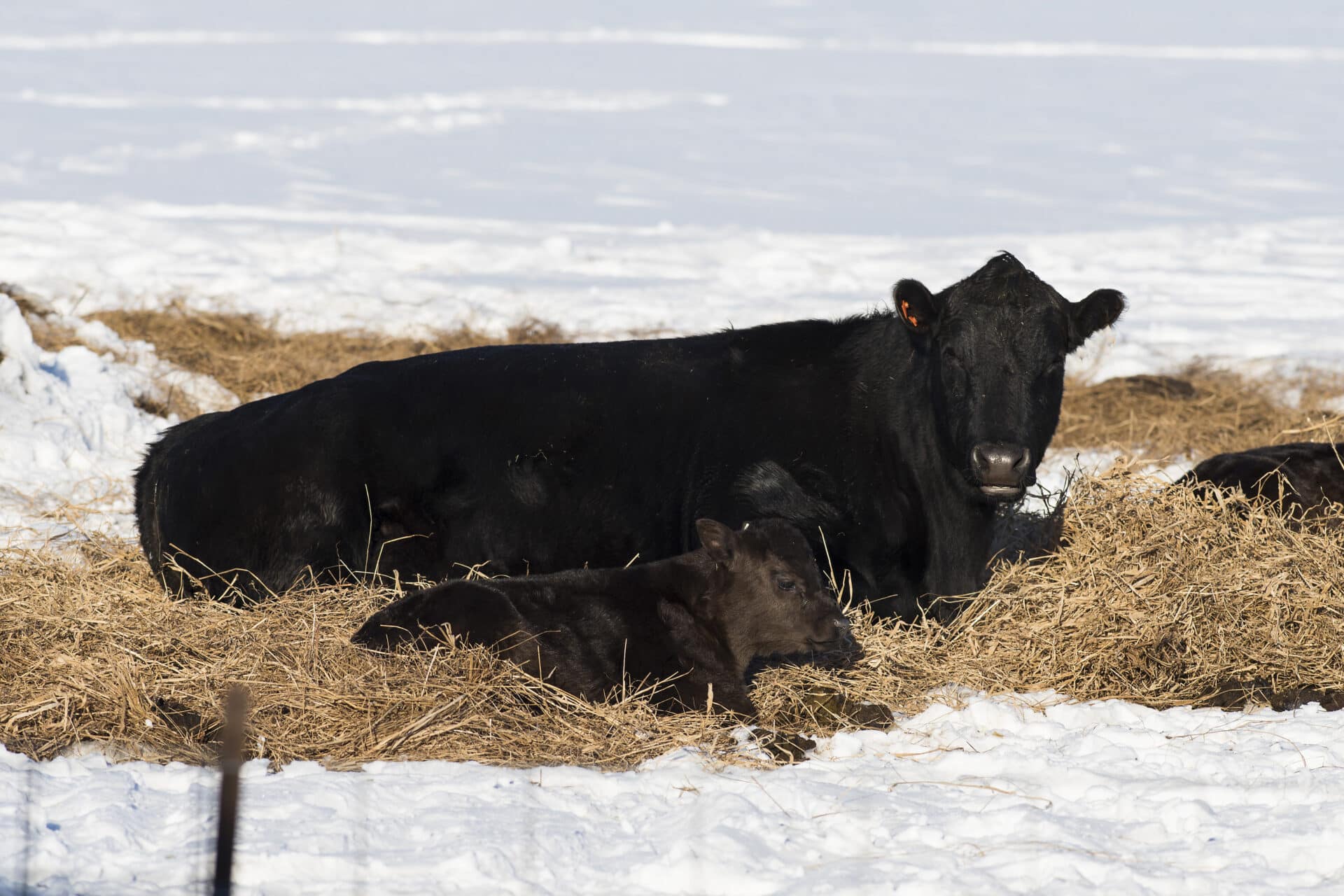
6. contentment
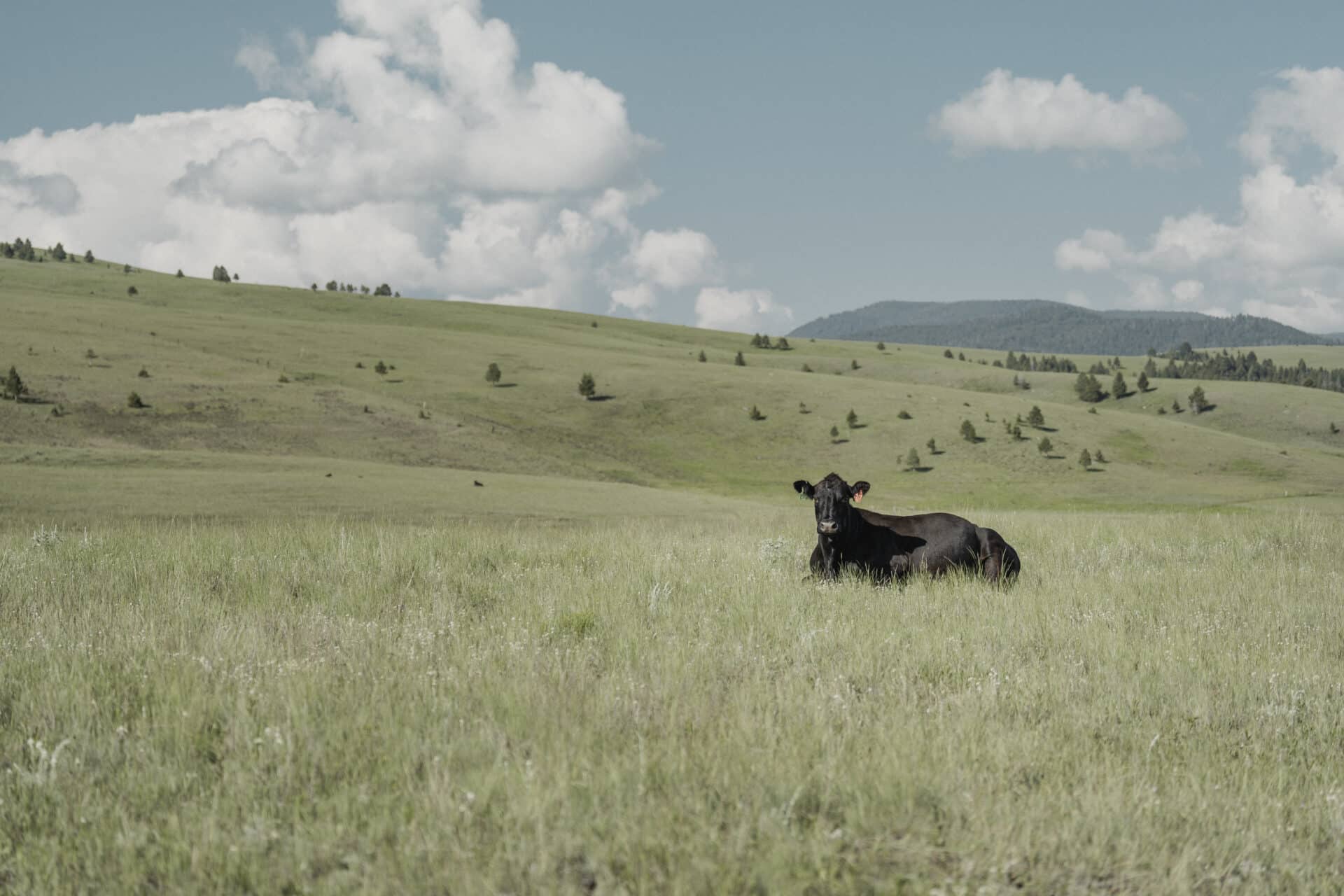
Laying down earlier in the day (not grazing as long).
WITH RIOMAX®
WITHOUT RIOMAX®
PUT DOLLARS TO YOUR RESULTS!
1. storing the totes
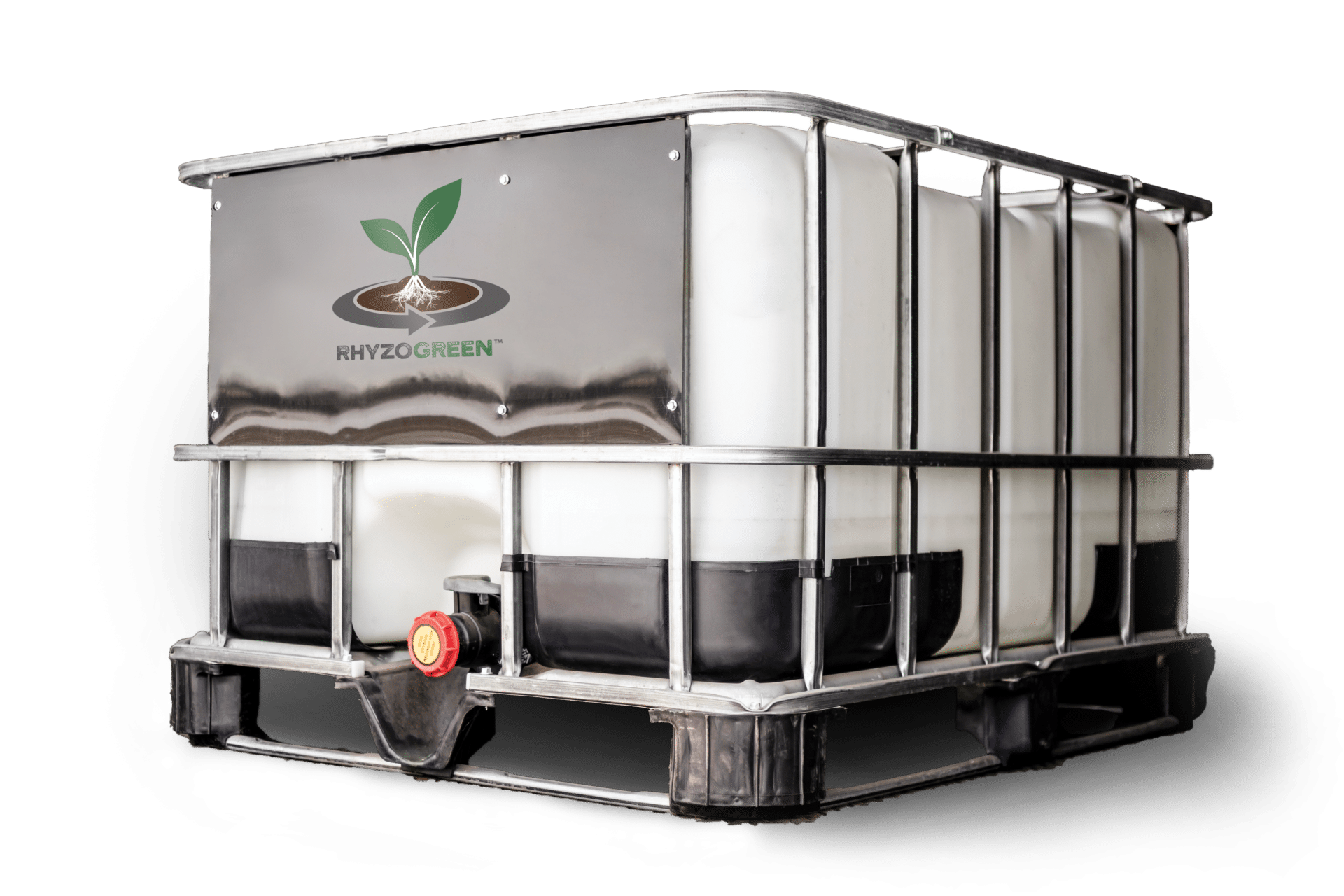
Rhyzogreen totes must be kept in an area above 40°F or 4°C. Do not let the totes freeze.
Totes have an 18-month shelf life if kept from freezing and out of direct sunlight. If a tote sits for more than 6 months, the product needs to be agitated before use as the liquid can separate.
2. applying rhyzogreen
**These instructions are for alfalfa application only. Consult the product label or your Rhyzogreen® rep for more specific details and specifics on other crop types.
Before applying Rhyzogreen, it must be mixed with water. The mixing ratio is at minimum 5 gallons of water for every 25.6 oz of Rhyzogreen, which covers one acre. 1 gallon of Rhyzogreen will cover 5 acres. See the label on your Rhyzogreen tote for detailed mixing instructions.
If mixing with other products, always jar test for compatibility before first use. Mix a small batch along with proportionate amounts of all other products or carriers you intend to combine in the spray tank. Allow mixture to stand for 10 to 15 minutes. If flakes, sludge, gel, precipates, or other solids form; or if the products separate into layers, the products are not compatible.
The principle is to ensure it gets to the rhizosphere (root zone), with the plant being the mechanism to translocate the Rhyzogreen into the root zone. The preferred method of application is foliar, on a growing (green) plant. Apply in early spring after green-up and/or between cuttings after plants have started showing a minimum of 2" - 3" of regrowth. Ideally, apply a minimum of four weeks before cutting. For best results, apply in the morning when the air is cool and there is little wind. Rhyzogreen is rainfast within 15 minutes.
Typically, you'll need 1/5 of a gallon per acre; 1 gallon for every 5 acres. Consult the product label or your Rhyzogreen® rep for more specific details.
Grazing Pastures - Apply foliar in early spring after greenup. For best performance repeat application every 90 days during active growing season.
Small Grain - Apply foliar no earlier than 3 leaf stage.
Corn & Sunflowers - Apply in-furrow or foliar no earlier than 3 leaf stage.
Potatoes - Apply in-furrow or foliar twice a year.
Soybeans - Apply in-furrow or foliar no earlier than second trifoliate stage.
Sugar Beets - For in-furrow application, apply 1 gallon per 5 acres with minimum 2 gallons of water. For foliar application, apply 1 gallon per 5 acres on first pass as soon as possible after 4 leaf stage.
Yard Grass Receiving Continuous Mowing - 2 gallons per 5 acres. Apply foliar early spring after greenup. For best performance repeat application every 30 days during active growing season.
Vegetables - 2 gallons per 5 acres. Apply foliar in 20 to 30-day intervals throughout growing season. For hand spraying, mix 2-4 oz per gallon of water.
Fruit Trees - 2 gallons per 5 acres. Apply foliar 3 times per crop cycle: before flowering, early fruit stage and mid fruit stage.

3. how to test results
To have an accurate test both the treated and "control" areas should have the exact same products/strengths applied, with the exception of Rhyzogreen on the treated area. This will allow you to clearly measure the advantages specific to Rhyzogreen.
Make sure to harvest your control separately from your treated and keep count of the number of bales/tons produced. Your baler settings should stay the same.
4. calculate your roi
keep an eye out for these visual results
Some customers see a definitive line where Rhyzogreen was applied, but many times this line isn't visible. This doesn't mean Rhyzogreen isn't working. Some things you may see that are less noticeable from a distance are better soil quality, more earthworms, larger leaf size, higher density of the leaves, and increase in the amount of leaves closer to the ground. You may not see a noticeable difference in height or color of the plants.
MORE EARTHWORMS

HIGHER DENSITY

TALLER PLANTS

MORE LEAVES CLOSER TO GROUND

Didn't see the tonnage results or forage quality you were looking for? Reach out to us to coordinate microbial biomass testing. Please note that this is not the same as soil fertility testing. This testing can be done anytime in the year as long as we have a treated and control section to sample from!