


Last updated on February 25th, 2026 at 09:16 pm

all in the family
running a cattle feeding, farming and ranching operation takes all hands at the wheel.
Making a living in agriculture is tough. Crops, cattle, agribusiness, it doesn’t matter. While it may not necessarily take a village to be successful, it does require not only brain power, but the mental toughness and entrepreneurial spirit to survive the bad times and take advantage of the good times.
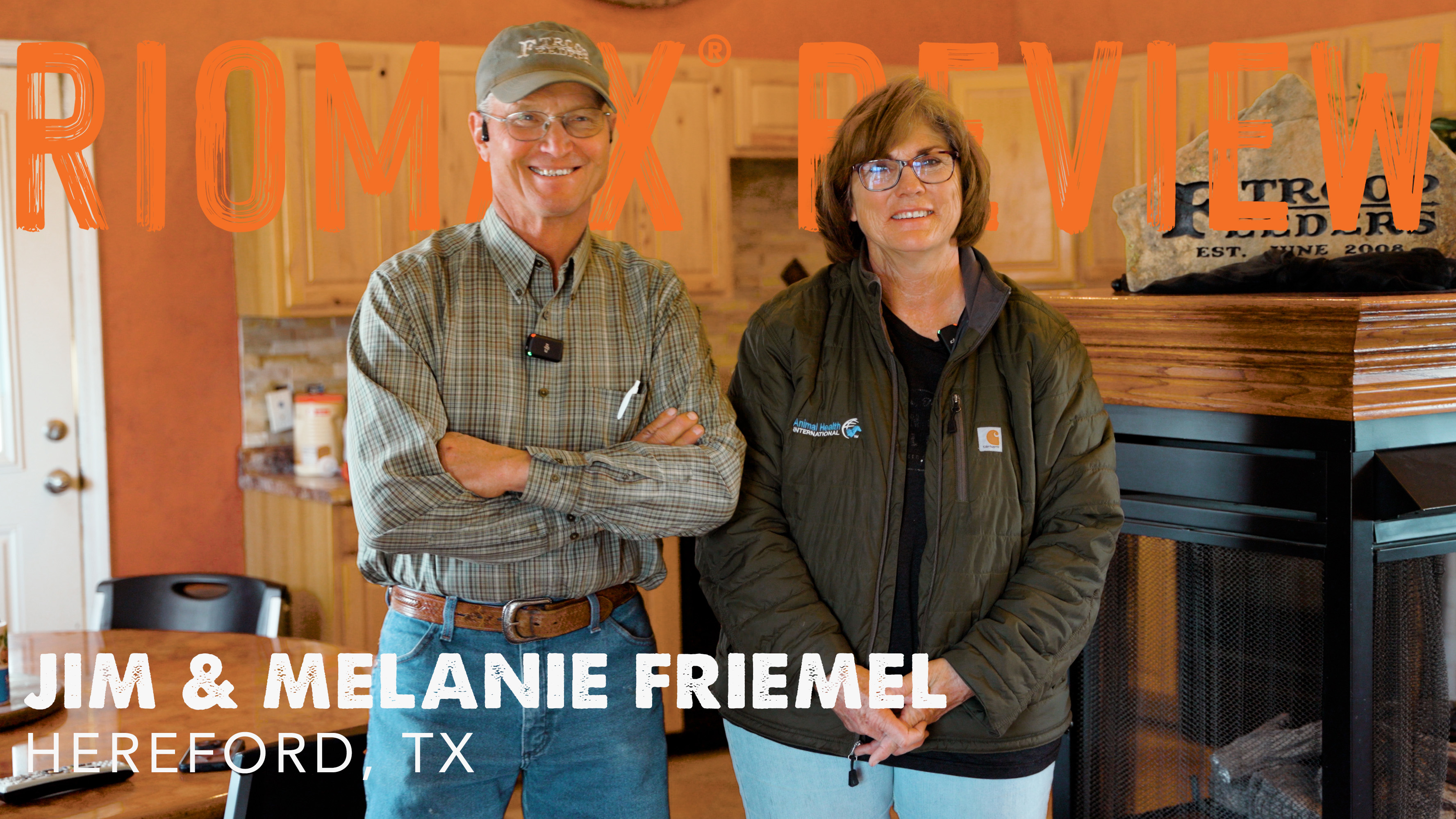
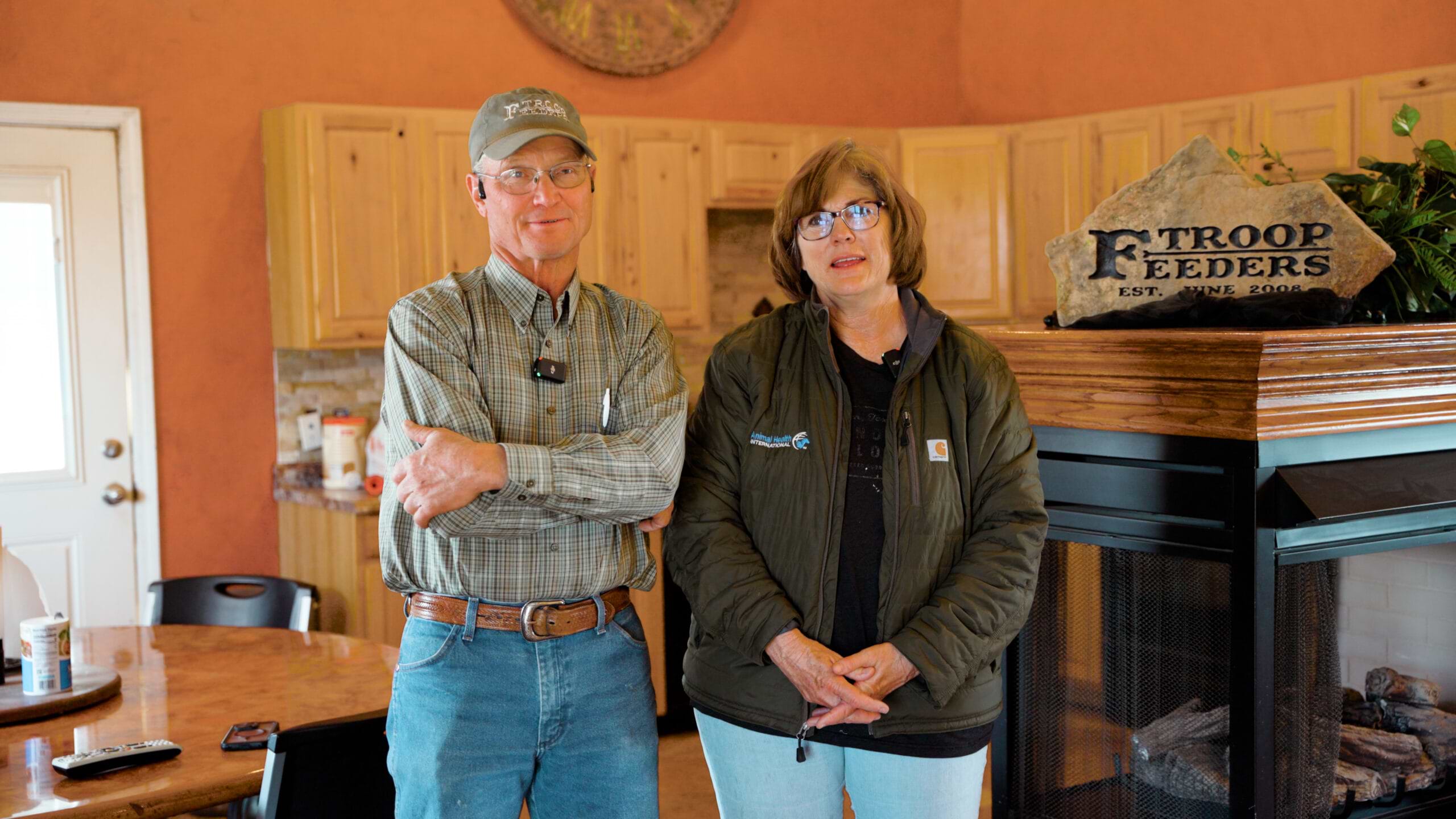
And family. That’s the combination that has kept Jim Friemel, patriarch of an extensive cattle feeding, ranching and farming operation in the Texas Panhandle, going strong.
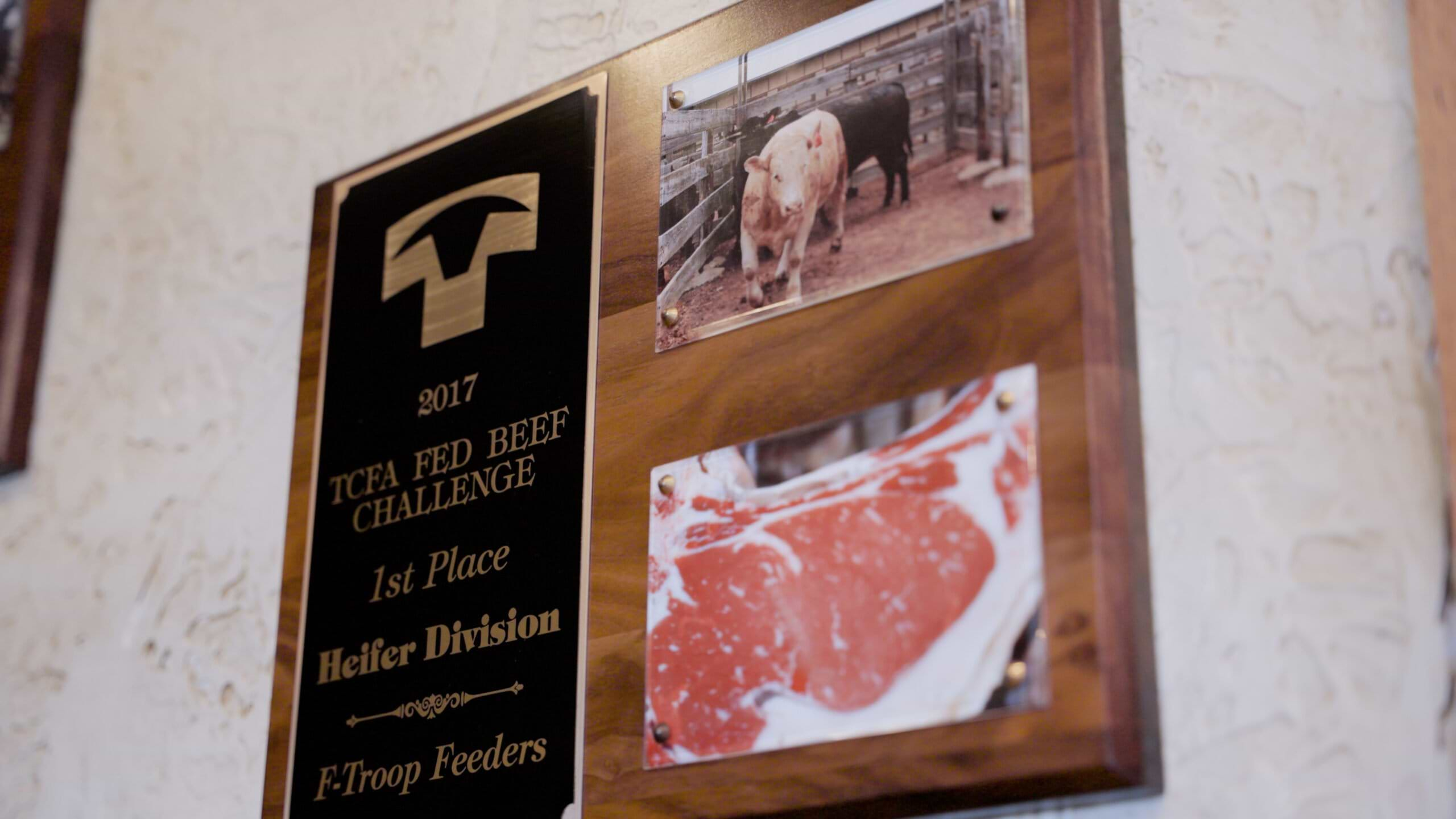
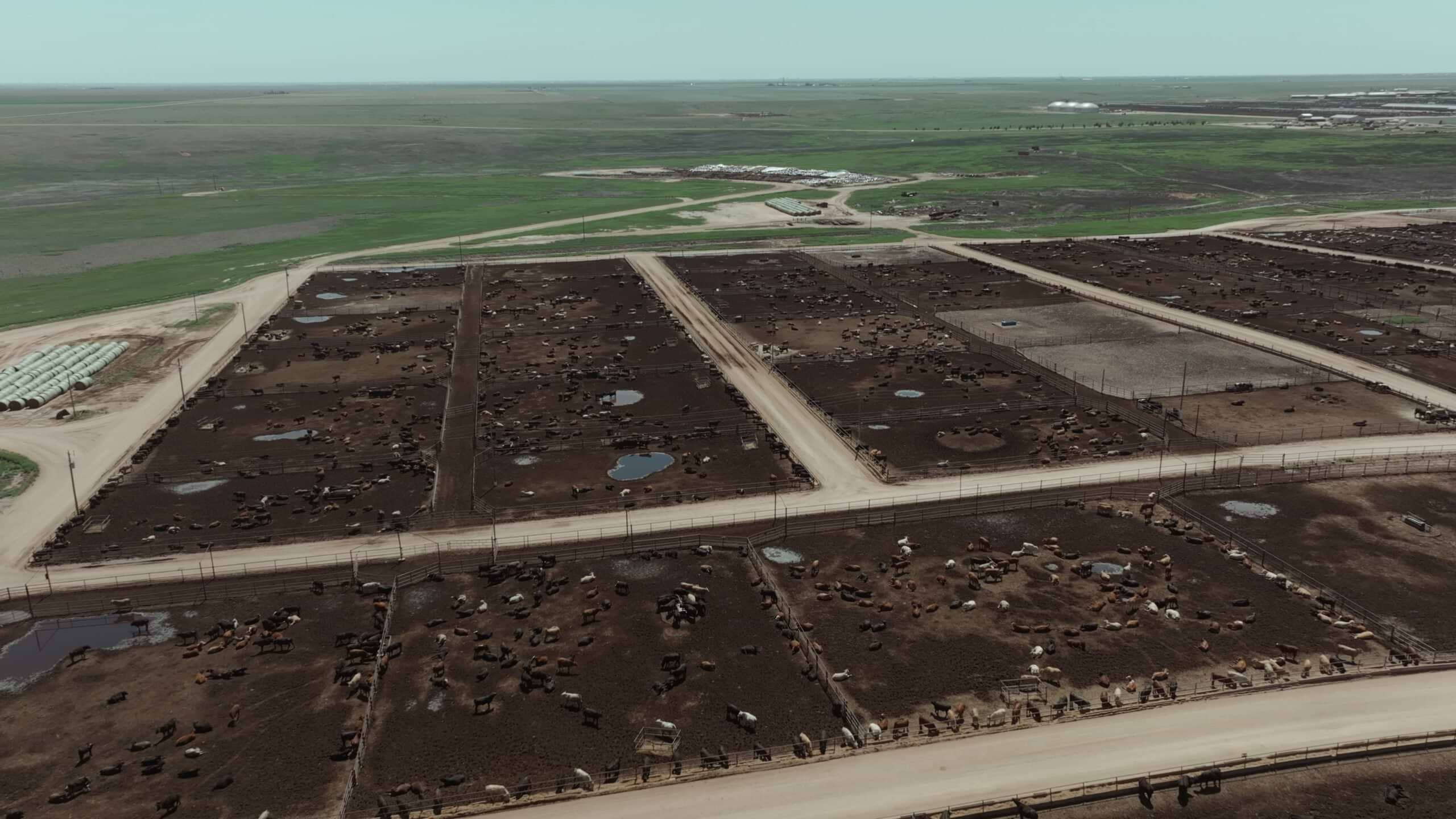
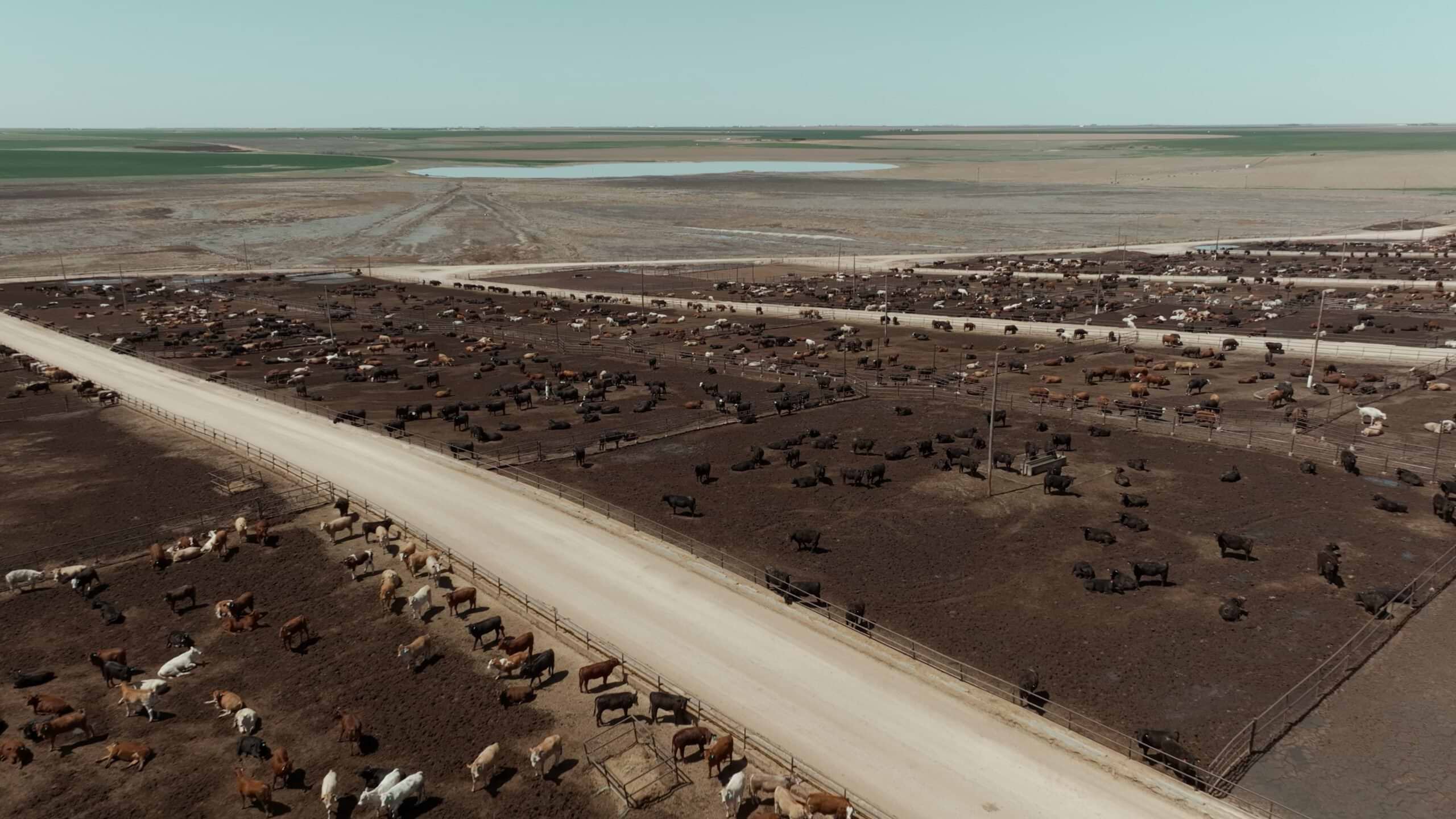
The hub of the operation is cattle feeding. Showing the sense of humor that’s also essential in a tough business like agriculture, the feedyards are named F-Troop Feeders East and F-Troop Feeders West.
Growing The Operation
However, Jim has been deep into the cattle feeding sector long before he hung his family’s name on a feedyard. Jim, along with a group of others were owners in a feedyard they were trying to expand when they were offered a chance to buy another cattle feeding operation in the area back in 2006.
“We talked about it and finally decided to go ahead and buy it. And then things got bad in the cattle business and we couldn’t keep one yard full, much less two,” he recalls. Indeed, 2006-2008 were not pretty years to be in the cattle business. Then the entrepreneurial spirit took hold.
That was around the time that dairies started relocating from California to the Texas Panhandle. “We had one right across the draw from us and another right to the west of us.” Others were buying land anywhere they could find it.
Jim figured they could sell their newly acquired feedyard to a dairy to use in developing heifers. “So we told them here’s our minimum price and if anybody bids over that, they have to bid $100,000 more,” he says.
“I had the bright idea they’re going to buy it no matter what, so I put in the minimum bid,” he remembers with a chuckle. “And that was a pretty long week. It turned out that nobody else bid and I was the winner.”
He tried to get out of the deal but couldn’t, so found himself the owner of a feedyard with very little to offer other than mostly empty pens and not much equipment. “But we worked our butts off and kept going and got the yard full of cattle with good rolling stock, good employees and made it through 2008. And that was tough.”
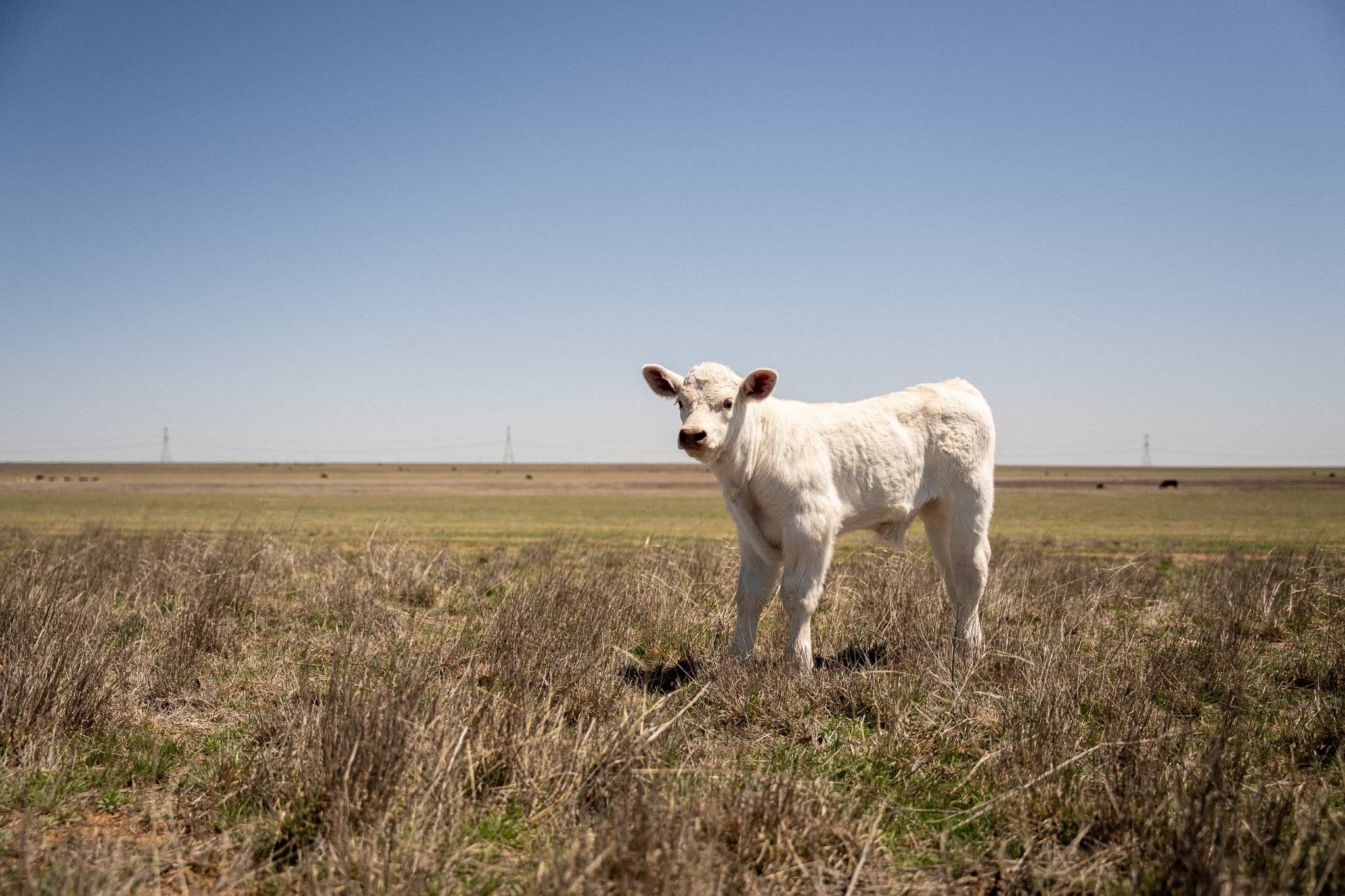
The cattle market remained in the dumps for a couple of years after 2008 closed the books on a bad year. “The banks were trying to pull out from underneath us. They wanted us to go to another bank. We tried them all. The big banks were not loaning money on anything with four legs,” he says.
“We finally found a little bank in Lubbock that took us on and it’s been good ever since. They stuck with us when nobody else would.” Three years ago, he bought out the original feedyard that he was part owner in and now both yards are full; one with 15,000-head capacity and the other that holds around 25,000 head. “So we’re doing pretty good.”
The cattle on feed are a mix of family-owned and customer cattle, with around a fourth to a third owned by members of the Friemel family and the rest custom-fed for customers. The cattle are marketed either on a cash basis or on a grid.
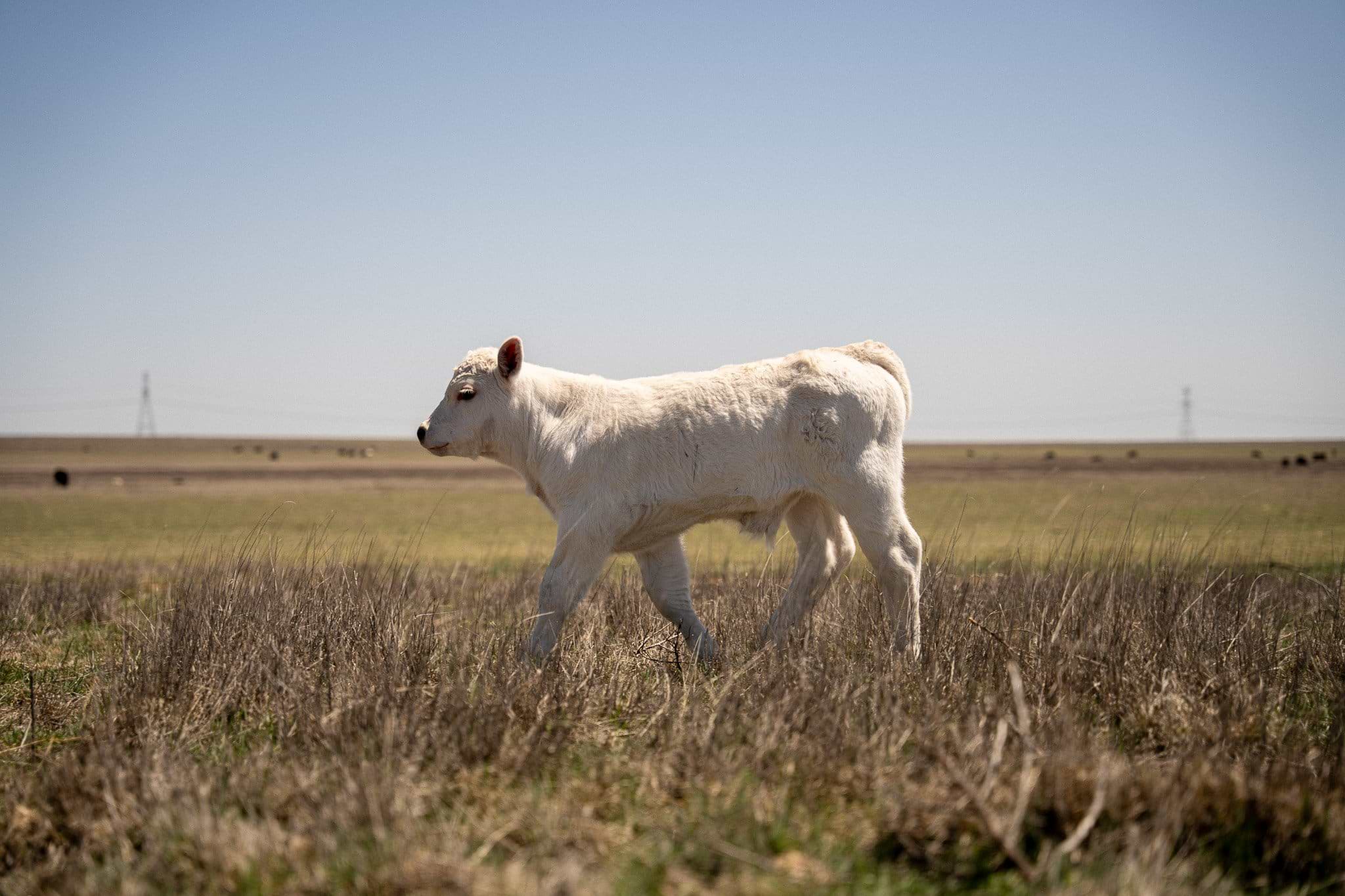
Calf-feds, which are calves that arrive weighing from 300 to 500 pounds, are generally sold on a grid because they perform well in the packing plants. Heavier feeder cattle, weighing around 700 pounds when they walk off the truck at one of the feedyards, are usually sold in the cash market.
A grid for fed cattle is based on how well the carcasses yield, which is a percentage of the live weight to carcass weight, and the quality grade, with premiums and discounts figured off a base price That’s usually that week’s cash price and the plant average for quality grade. If cattle grade above the plant average, or qualify for the Certified Angus Beef (CAB) program or another quality-based, value-added program, the owner gets a premium. If the cattle grade Select, the carcasses are discounted.
Beyond the opportunity for a better paycheck, Friemel says the carcass data is important to some of his customers who retain ownership in their calves. “We’ll grid them so they can tell how they’re doing and if their genetic program is good enough to produce calves that can grid Prime and top Choice.”
Farming For The Feed
The Friemel family also farms, ranches, owns a grain elevator, and leases another. “We mainly raise feed for the feedyards,” Jim says. “We raise wheat and this year (2025) we had a great wheatlage year. We did as much wheatlage as we could and didn’t know it was going to be that much,” he says. The Texas Panhandle is a semi-arid prairie ecosystem and rain can be a chancy thing. However, 2025 was the exception and the rains were plentiful.
“I contracted with some farmers and instead of 6 to 10 tons per acre, we were doing 10 to 20 tons per acre. So I got a lot more wheatlage than I thought.” While they didn’t harvest any of their wheat as grain, they bought wheat from area farmers and filled one elevator. He also contracted sorghum silage in the spring, not knowing they were going to have the wealth of wheatlage they put up.
“So now we’ve got a bunch of sorghum silage stacked with the wheatlage.” They also grow grain sorghum for feed, “and I would have had a lot of silage of my own. But because the feedyards already had so much, we turned all ours into hay and harvested all our red top cane to hay.”
The grain is processed in feedmills and then mixed with ground hay and supplements to complete a ration that feed trucks dispense to the cattle in the pens. The wheat that filled one of the elevators has been fed and now grain sorghum fills the grain portion of the ration. “We’ve got farmers hauling directly to the feedyards and we’ll help with the freight if we can. If our trucks aren’t hauling commodities, we can send them to the fields and help the farmers a little bit.”
With an operation that extensive, family is critical in making to run smoothly. Jim’s wife, Melanie, helps with the books along with their daughter Cydney. Their son Laramy handles the farming and son Landon oversees the feedmills and grain elevators. Their daughter Maxie feeds cattle with the family, as do all the other family members. Jim oversees the feedyards and Melanie takes care of the cow-calf operation.
Riomax and Rough Pastures
Some 550 cows cover around 18 sections that grows grama grass and cholla cactus. “We really like the Riomax on the cows and man, those tubs just do it all,” he says. “We used to run around with a mineral trailer and it would be full of mineral and salt blocks and we’d put them out every two weeks. It was just a lot of work.”
They also fed cake, which is alfalfa cubes fed as a protein supplement. “I used to try the other tubs and we’d have cake out and my cows just didn’t look like they were getting the finish they needed,” he says.
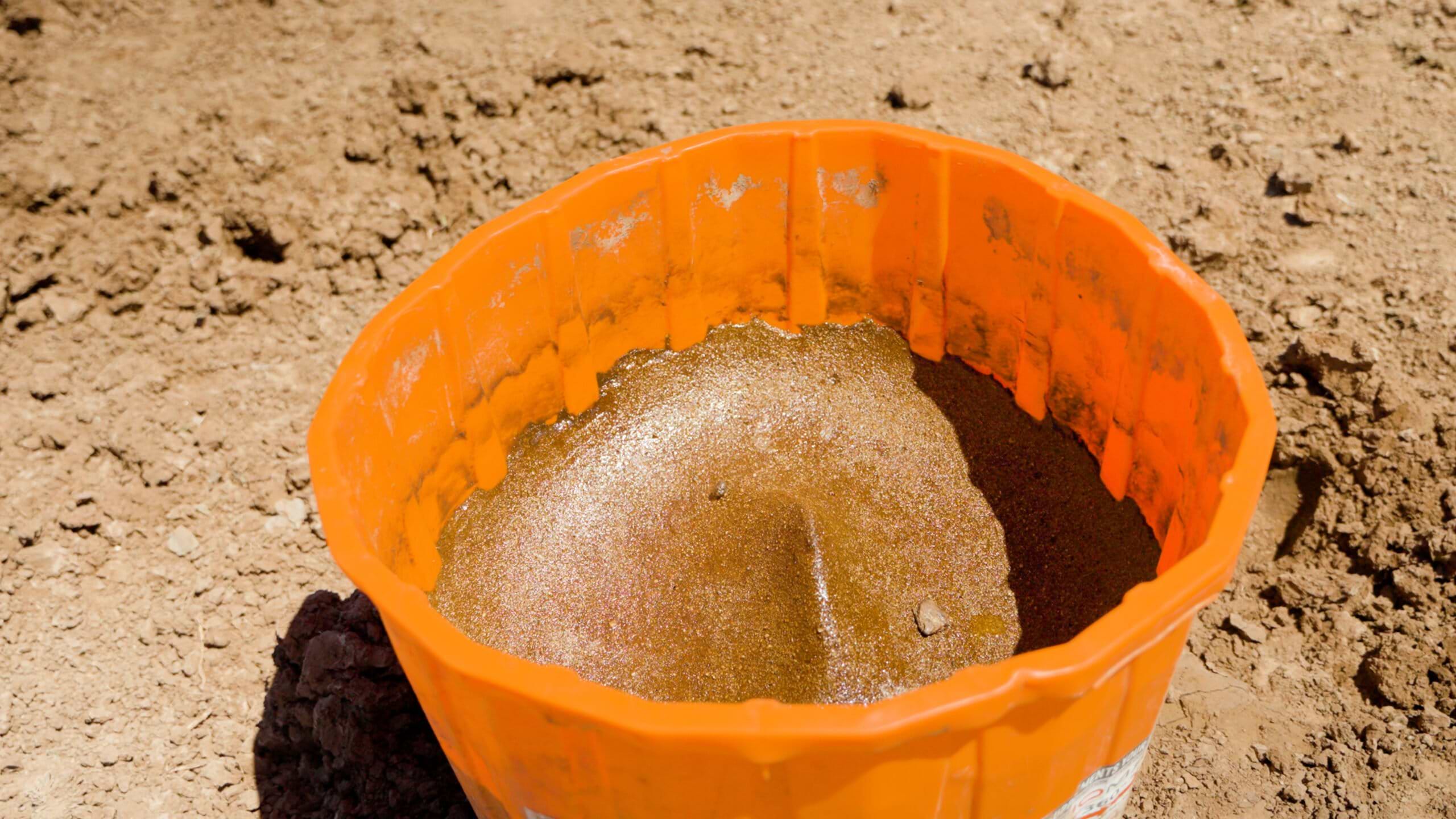
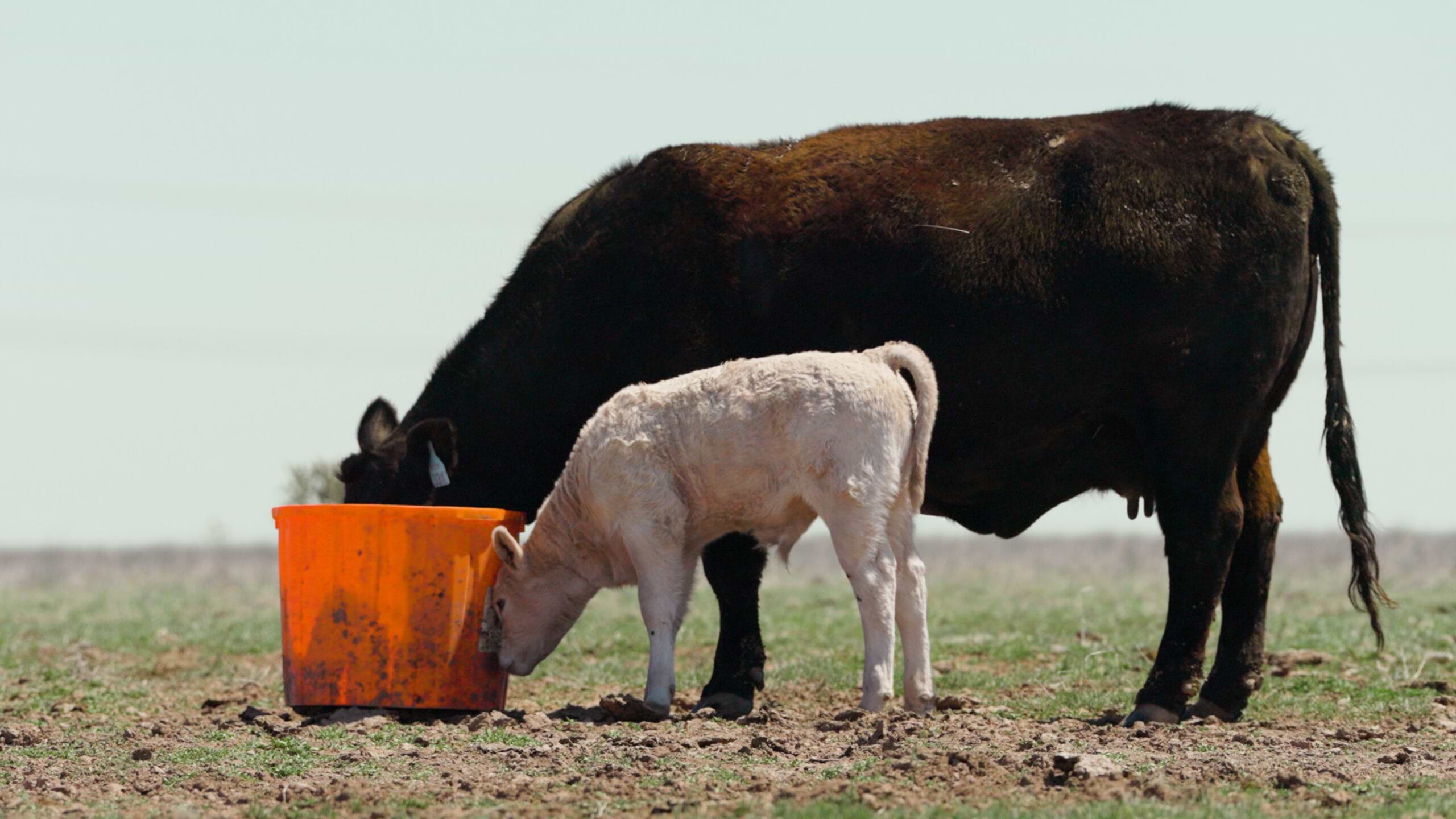
“We even fed cows. We’d have cows out on grass and feed them a little bit of our starter ration and it just didn’t seem to be enough. We take care of our cows really well and they still didn’t look like they were gaining.”
That changed when Jim switched to the orange Riomax tubs. “Now it’s put out the tubs and put out the salt blocks and we might do that once a month.” Jim puts out one Riomax tub for every 25 cows and with the tubs lasting a month, he’s already cut his labor and fuel costs in half.
Beyond that, he sees the other advantages that the Riomax formula brings to the table. “We are seeing a real good conception rate and we get better weaning weights without cattle getting sick.”
In fact, some of the Riomax crew visited the ranch a few years back. Jim recalls that they were driving along and the Riomax folks said other ranchers see the same thing. “And I said that’s BS. And he said, ‘No, we’re seeing that people who use Riomax may be doctoring fewer cattle.’”
So Jim decided to put it to a test. “I had a customer who had cattle in the feedyard and his son had cattle in the feedyard and we were doctoring the heck out of the son’s cattle and weren’t doctoring any of his dad’s cattle. I called the dad and asked what kind of mineral he used. He said Riomax.”
Then Jim called the son and asked the same question. It was another, cheaper tub. “They would do everything the same. He would handle his cattle the same way his dad did. His dad handled his cattle the same way his son did, with the exception of the difference in the tubs, so I thought that was a pretty good test.”
But it didn’t end there. Jim was backgrounding some cattle for a customer. Nearby, he had some of his cows on milo stalks. “I was showing the owner his cattle and he said, ‘It looks like you’re feeding your cows, too. They’re doing really good.’”
“I said, ‘No, all they have is stalks, salt blocks, those Riomax tubs and water.’ He said, ‘You’re kidding.’ I said, ‘No that’s it,’ and the finish on those cows was superb. When you have somebody else seeing your cows and how well they look and they say something about it, that’s impressive.”
Looking Ahead
“I think the cow-calf guy is going to be in the driver’s seat for a long time. We’ll probably see a correction in the market, but I don’t think it’s going to be that severe,” Jim says. “We’re on a new plateau.” He thinks some ranchers, older and looking to retire, have sold. But high prices may well entice others to expand.
“For the feedyard guys, it’s always going to be tough, buying and marketing.” Grain costs less but feeder cattle cost more, making the margin tough to manage. “One thing I took in college is marketing and I’m sure glad I did. There are times to hedge and there are times not to hedge and this is one of those times you don’t want to touch a hedge. The cattle are doing awesome now.”
“But my dad always said that sometimes you’ve got to forget what you normally do. You’ve got to have those home runs to stay in business. This is one of those home runs that you need to stay in business.”