


Last updated on November 7th, 2025 at 09:18 am

riding out a wyoming winter
the reinke family way
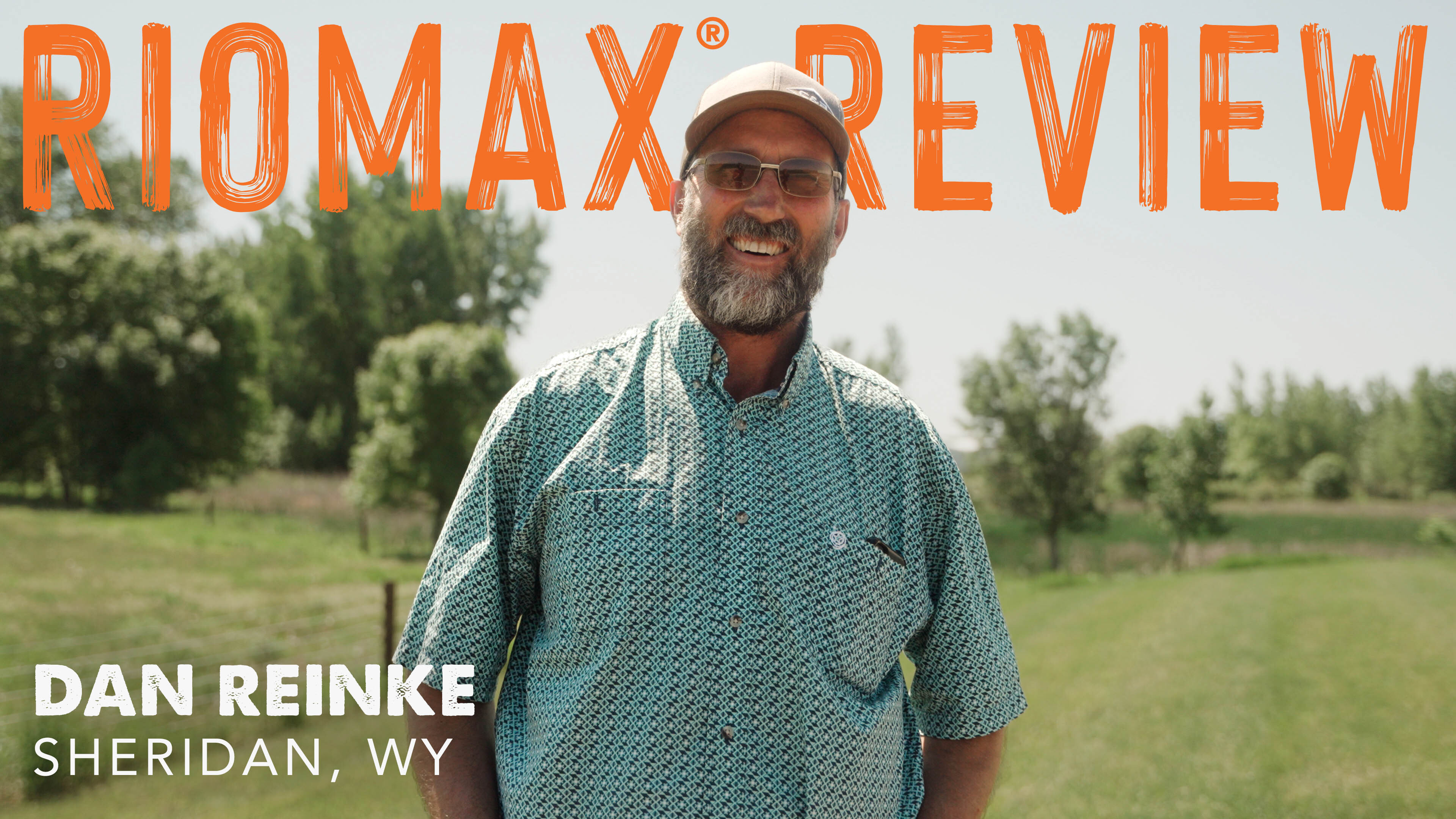
dan reinke
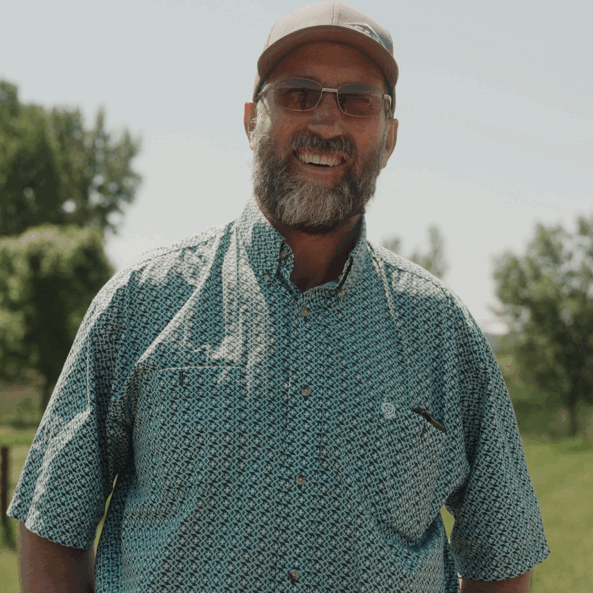
Sheridan, Wyoming
The wind cuts hard across the hills outside Sheridan, Wyoming. Snow drifts stack up along the fences, and the cattle bunch together in the draws, heads down against the cold.
For Dan Reinke, this country has been home for a long time. The Reinke family tends cattle the way most ranchers do — by the weather, the season, and the cows themselves. Dan Reinke and his son work side by side in a cow–calf and seed-stock partnership, carrying forward a way of life where every winter storm and every calf crop shapes the year ahead.
Like most ranchers, Dan keeps a sharp eye on costs. He has seen the steady creep of rising input costs: hay, supplements, minerals, and labor. So when someone mentioned Riomax tubs, Dan wasn’t quick to jump in. “Benefits far outweighed the cost,” he’d say later, but at the beginning he was skeptical. Around here, if something sounds too good, it usually is. So, Dan did what ranchers do best — he tested it, side by side, and let the cattle tell the story.
Putting it to the test
Rather than take anyone’s word, Dan set up two groups of cattle on equal footing. Same conditions, same pasture. One group received the tubs, the other stuck with what they’d always used.
After a few weeks, he didn’t need a spreadsheet to see the difference. “One group is eating everything we gave to them. The other group… they’re laying there chewing their cud, content.” In three weeks, the group without Riomax had gone through almost three other mineral tubs. The Riomax group? Just one. “That’s what led us to just roll out the rest of the tubs,” Dan explained.
Grazing Days That Stretch Further
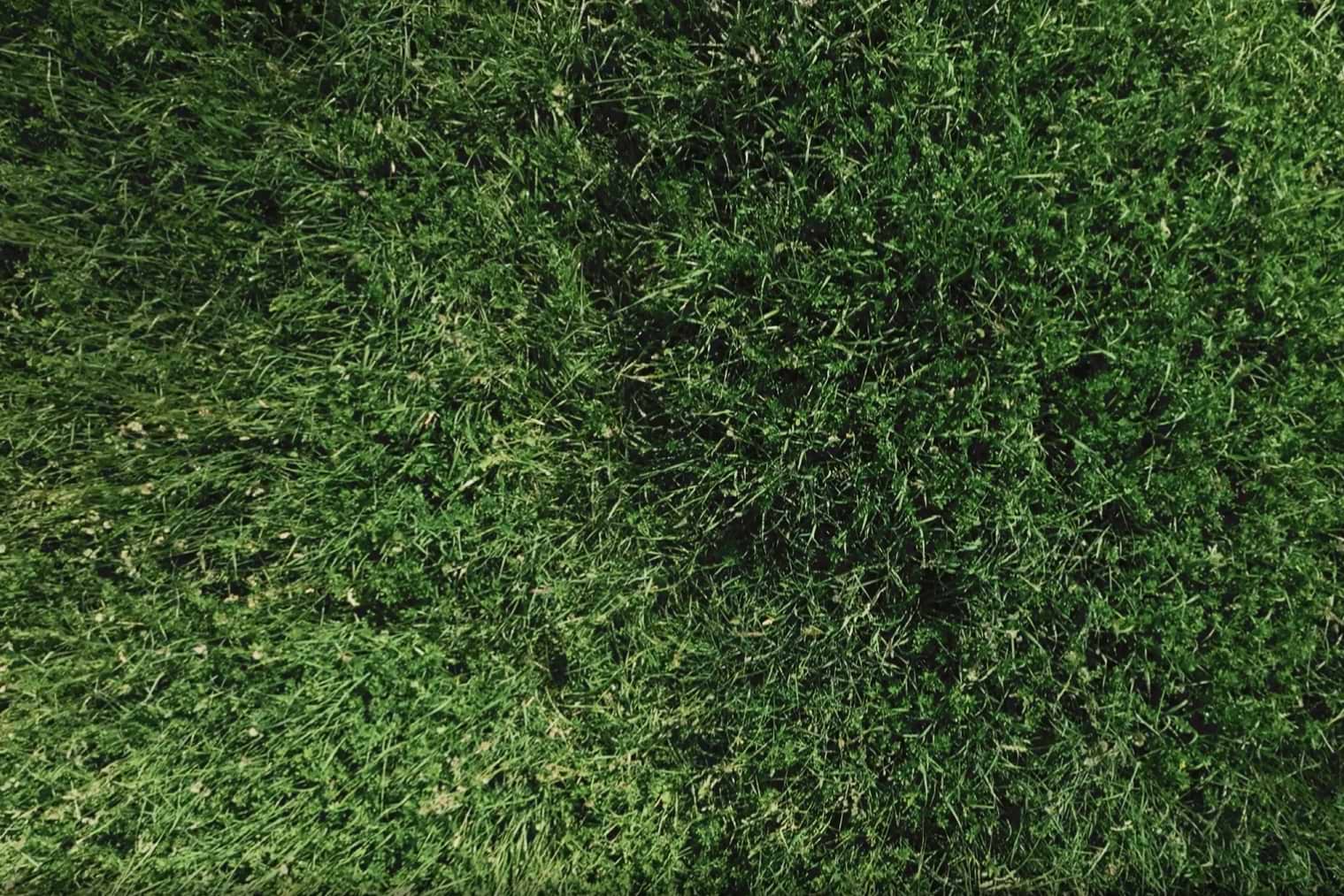
Every rancher knows that winter feed is one of the steepest costs. Dan’s goal was to graze as long as possible before rolling out hay. With Riomax, the cattle were making better use of the grass in front of them.
“You might as well let the cow do the work and let Rio accomplish that,” Dan said. When January hit with 30-below cold, many of his neighbors started feeding bales. Dan’s cows were still turned out on meadows they hadn’t touched yet. He remembers driving through with the pickup, waiting to see if the herd would come running. “If they were hungry, they would be following us and barely, barely even noticed we were there.”
The math added up. “We’re feeding around 13, 14 round bales a day… we were pushing up towards 1,000 bales that we saved.” That alone, he said, was enough to cover the cost. “You can cover the cost of Rio just with that hay savings.”
Calves on the ground
Winter savings are one thing; spring calves are another. Dan and his son noticed a clear difference in vigor at birth. “...if you can get a calf that just gets up and is going within minutes and they get that first colostrum…” he commented. That early colostrum makes all the difference in survival and health.
Bringing in some outside cattle underscored the contrast. The ones that hadn’t been on the tubs showed more issues; the home herd, by comparison, was calmer and quicker to get calves going. For Dan’s son and their hired hand, the improvement was obvious before Dan even crunched the numbers.
Reproduction and Herd Health
When it came time for preg-checks, Dan saw another improvement: “Just right at four opens out of just under 300 head.” He noted that his herd was moving toward a tighter calving window — 45 to 60 days instead of being stretched out. On AI conception rates for heifers, they were hitting “between 70 and 80%.” For a seed-stock operation, those are real differences that show up in both workload and revenue.

Paid for, many times over
Labor savings, healthier calves, fewer open cows, and nearly a thousand bales left in the stackyard — Dan doesn’t dress it up. “It has definitely paid for itself on our operation and almost a tenfold I would say.”
For Dan, the story isn’t about chasing something new. It’s about making careful, measured changes that work for his family and his ranch. He started small, watched close, and expanded only when he saw proof with his own cattle.
Out on the Wyoming range, where winters bite hard and margins are thin, that’s the kind of story ranchers trust: a neighbor testing something the way they would, and finding that it held up when the snow got deep.