
Ranching On The Cajun Prairie
For Chris and Stacy thibodeaux, ranching is a dream come true.
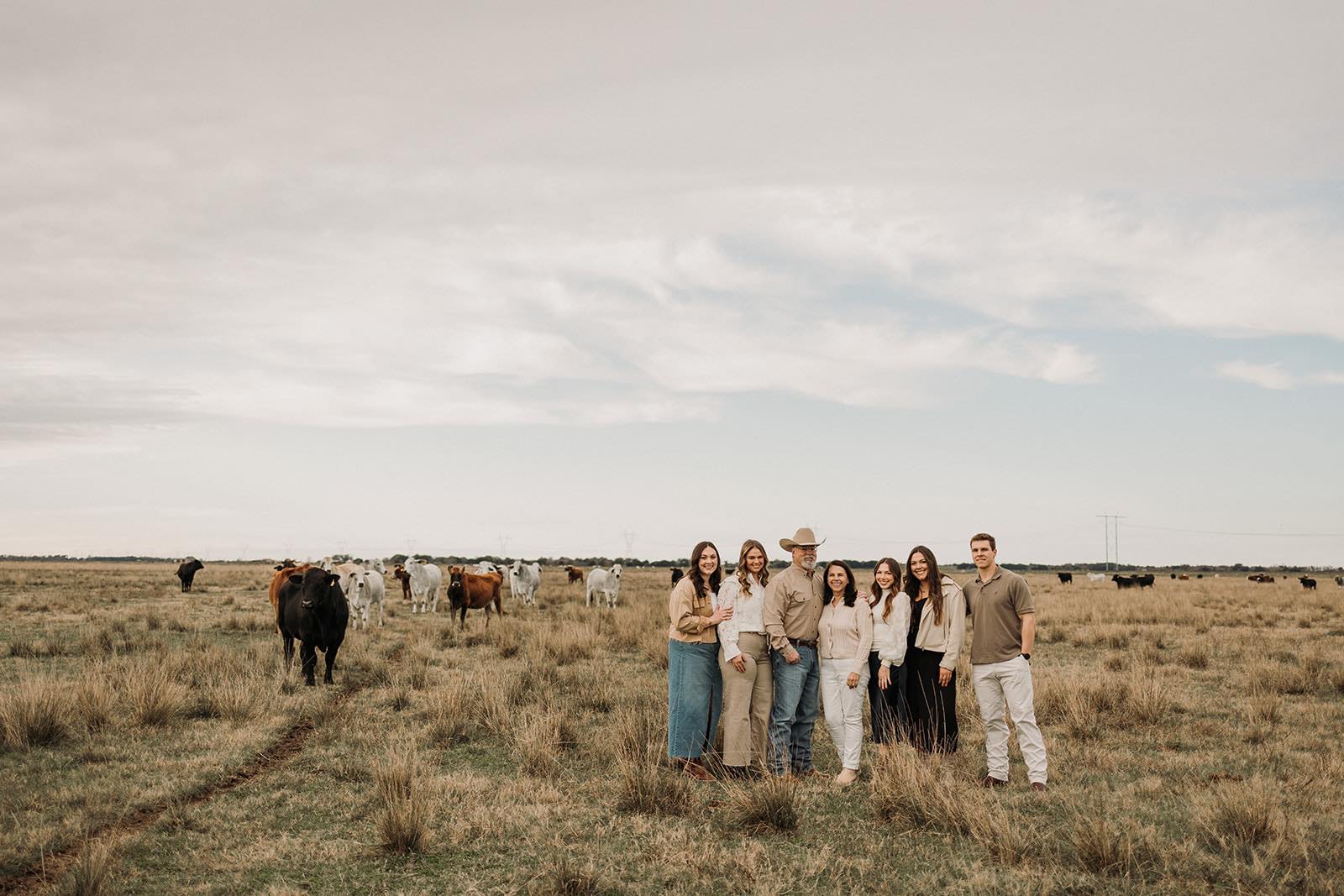

It’s not that Chris Thibodeaux wasn’t familiar with agriculture. His grandparents on both sides were farmers, after all. But as often happens, his parents left the farm for other opportunities. “Our parents were blue collar workers who put us through school so that we could try to better ourselves,” Chris says. “And it’s all worked out.”
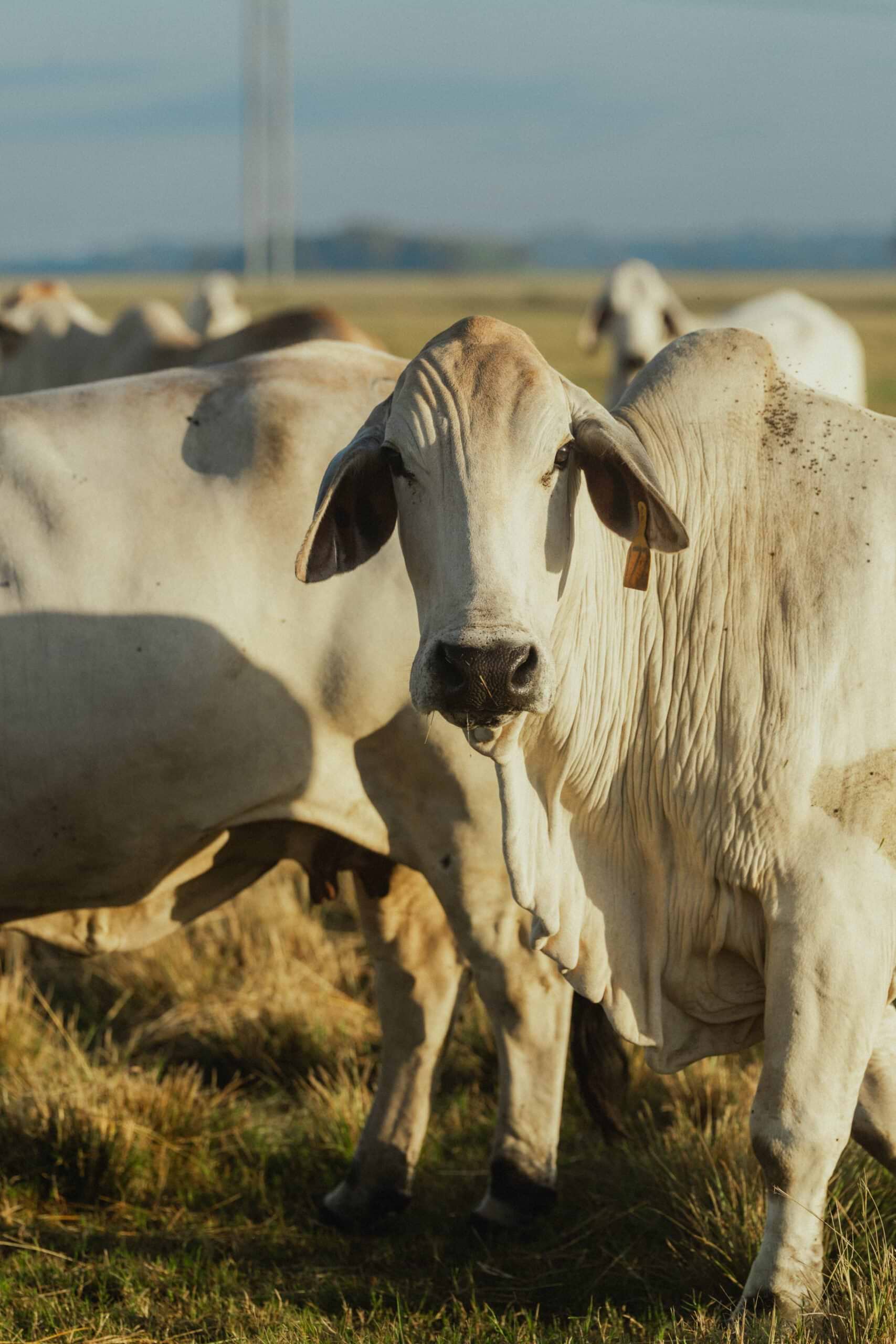
Indeed it has. And it continues to do so on the Grace Ranch, near Jennings in southwest Louisiana for Chris and his wife Staci, first-generation Brahman, F1 Braford and Brangus breeders.
Chris and Staci both grew up northwest of Baton Rouge. “She went to LSU (Louisiana State University) to law school after we graduated high school and I went to LSU for physical therapy school,” Chris says. In addition to his ranching endeavors, he continues his physical therapy work along with four partners. Staci worked for a federal judge for 16 years before leaving law to become a full-time mom to their five kids and an entrepreneur.
Their plunge into ranching began in 2006 when they bought 600 acres of what’s known as the Cajun Prairie across the road from their 40-acre property where they raised cutting horses. “And we just started adding property.”
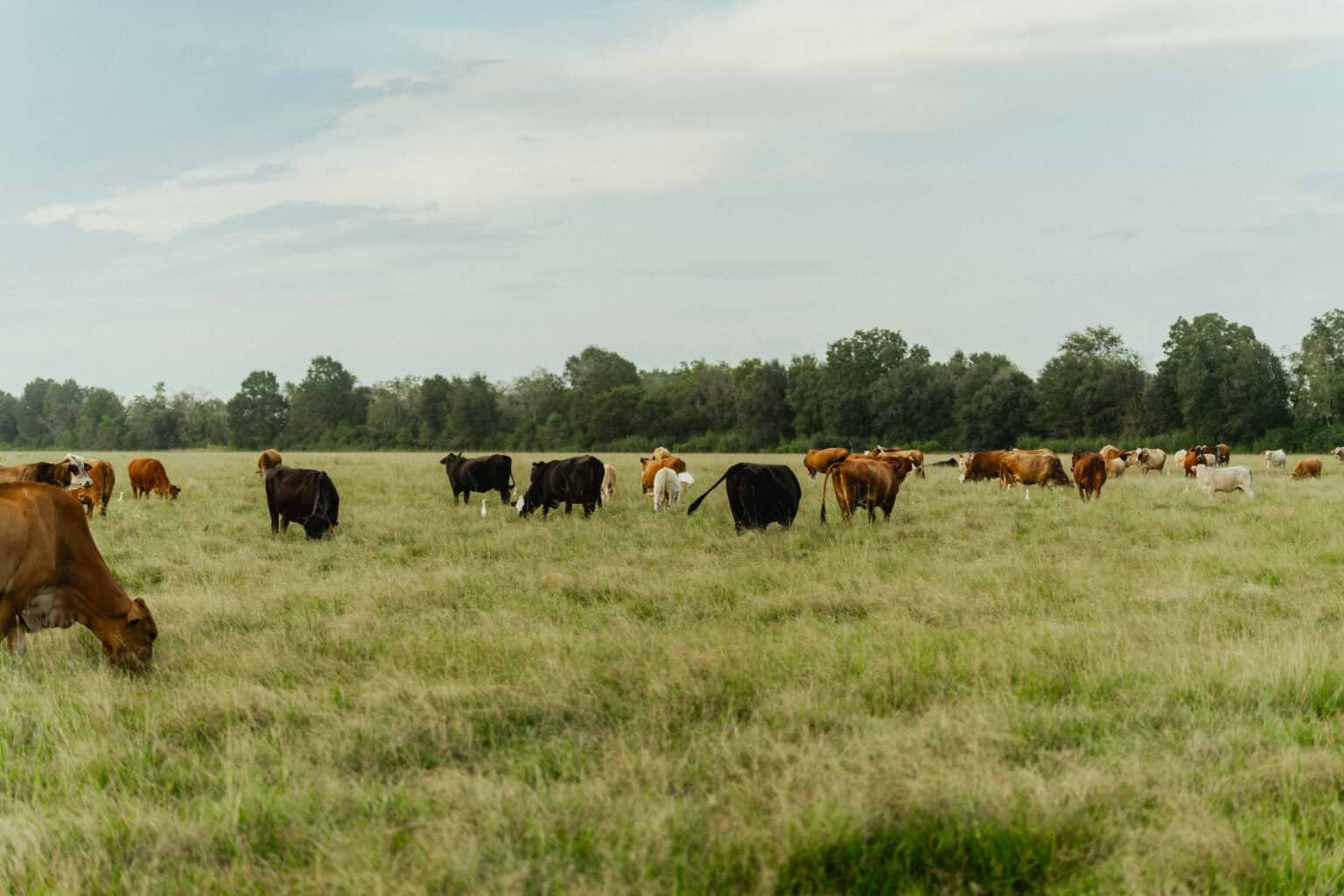
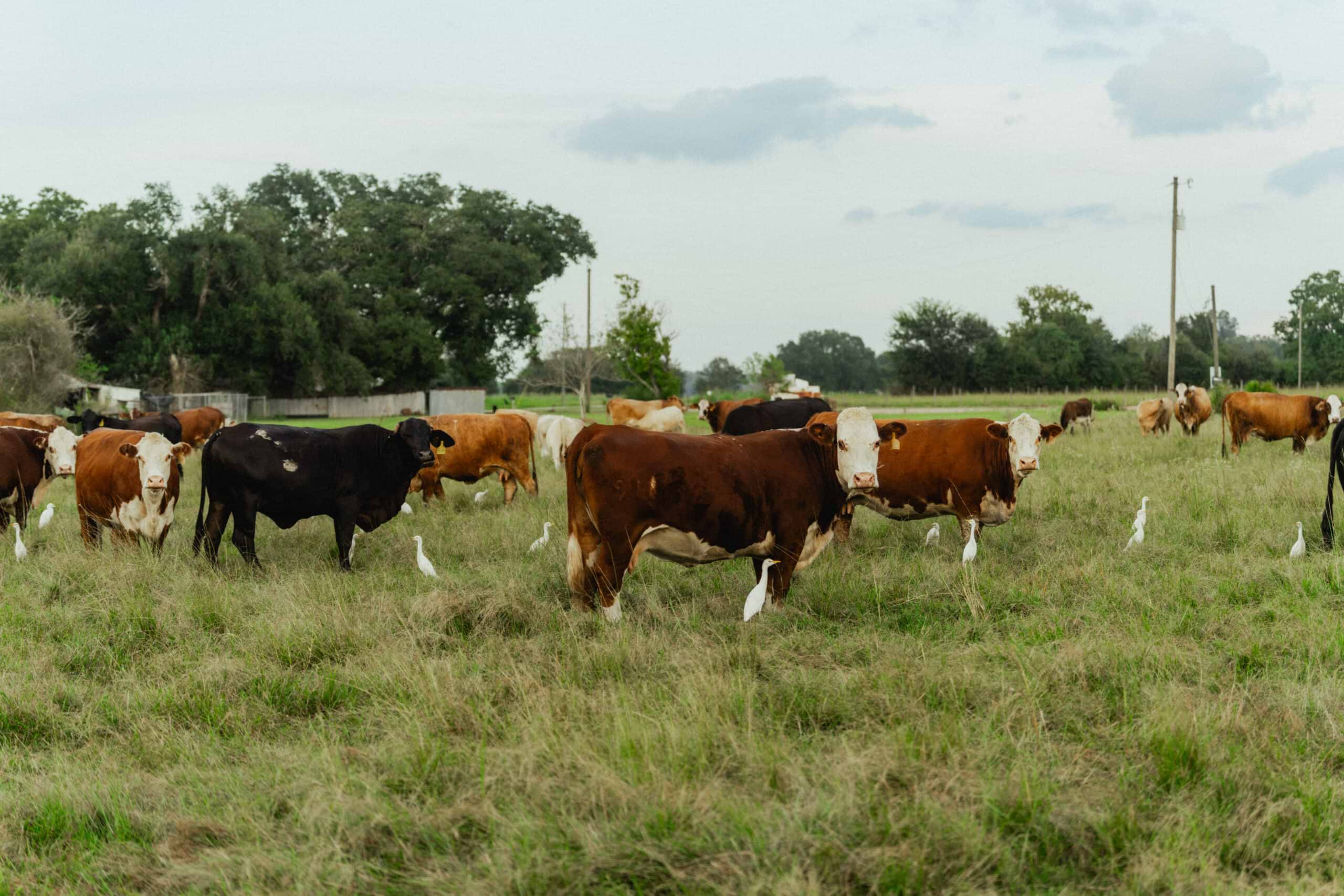
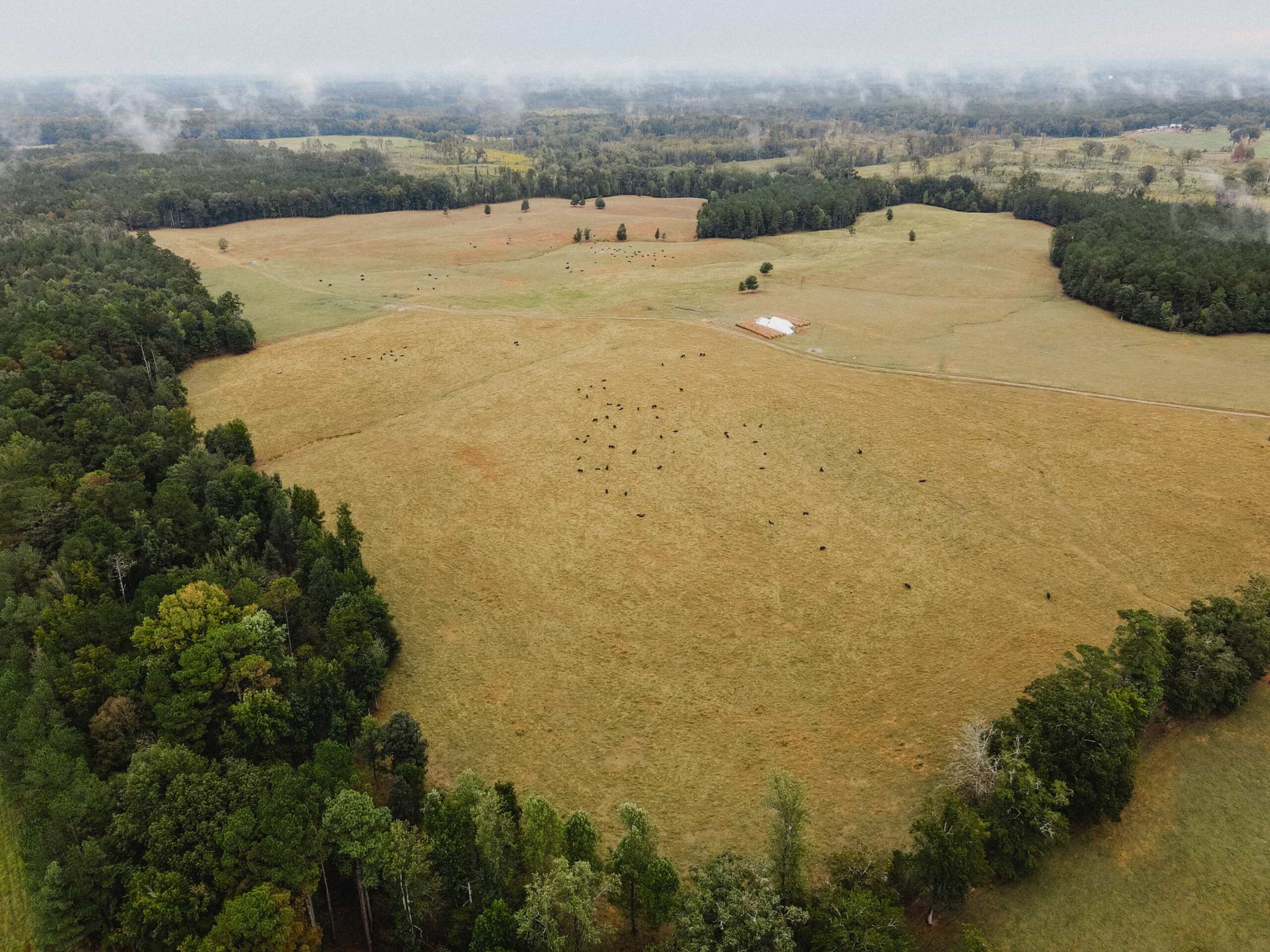
They now run a herd of around 130 registered Brahman cows and around 60 commercial Braford cows (an F1 cross of Brahman and Hereford) on around 700 acres of their own and another 400 or so acres of leased land. “And we do a little bit of everything,” Chris says.
Mainly, however, they raise replacement F1 Braford and Brangus heifers to sell to other ranchers. The cross is popular in the hot and humid Gulf Coast for its hardiness and ability to thrive in subtropical conditions. They breed their first-calf Brahman heifers to Angus bulls and the top end of the Brahman heifers go back into the registered herd. The others become replacements for their commercial Braford and Brangus herds.
The Cajun Prairie is so named because it’s basically flat with native Bermuda grass the main forage. When they bought their initial 600 acres, it was completely used for rice production. They’ve reclaimed much of that back into pasture but kept 200 acres for rice and crawfish production.
While they’ve yet to do any pasture rotation, that’s about to change. He’s looking into using virtual fencing, which will allow him to practice high-intensity grazing. “It’s going to really allow us to expand the number of head per acre,” he says. “You can change their fences from anywhere you’re located on your smartphone and you can see exactly where your cattle are located at any time of day.”

He reached out to the company asking for information, among which was the name of a dealer in Mississippi. “He put me in touch with a guy in Louisiana not far from where we were raised who had the same situation a few years earlier. He used the tubs and had good success.”
So Thibodeaux gave the orange tubs a shot. He hasn’t looked back. “We started using them and have had great success ever since. Our weaning weights are up, our conception rates are up. The cattle just look better; their body condition is much improved.” Then there’s the increased efficiency in forage and hay utilization. “It basically pencils out to where I don’t have to plant rye grass anymore in the winter.”
Looking at the numbers, he was weaning calves off his Brahman cows from 400 to 500 pounds before Riomax. “Now we’re weaning them at 550-600 pounds and our commercial herd had about the same increase, maybe a little bit more.”
But it’s been the breed-up where the numbers really shine. Brahman cattle are slower to mature than British and Continental breeds. “Brahman cattle are not known for great conception and Riomax has really, really helped them out,” he says. In fact, he’s seen a 20% increase in conception rates in his Brahman herd.
Like many others, the sticker shock was the main hurdle. “But actually, in today’s environment, when you figure out that it’s going to cost you less than 50 cents per head per day annually if you keep the tubs out year ‘round, it’s not a lot of money when you think about your input costs for your animals and all you’re getting,” Thibodeaux says.
“The biggest thing is, if you can get past the sticker shock and give it a try, I think you’ll be more than pleased. It truly is a tub that pays for itself.”
And the story behind the Grace Ranch name? “When we were trying to name it, we figured it was only by the grace of God that two kids from Baton Rouge would be able to have a place like this and be able to do what we’re doing.”
From Horses to Cattle
“We’ve always had a love for horses and cattle,” Chris says. In fact, he competed as an amateur in cutting horse events for 10 years as well as raising cutting horse colts. “Then our children elected to do other things and so we slowed down the horse business,” But not entirely. They still raise cutting horse colts. In fact, a colt they bred and raised was the co-reserve champion of the National Cutting Horse Futurity in 2025.
Then came “a little bit of everything.” Their youngest daughter, when she turned 9, wanted to show cattle in 4-H. “She really wanted to show one of our Braford or Brahman cows, but she was a little timid of cattle at the time,” Chris explains. “So I said, ‘Why don’t we start with something a little different?’”
The “different” was a Jersey dairy cow, the thinking being that she’d get used to the dairy cow and then transition into showing beef cattle.
“Well, that didn’t happen. She fell in love with these little Jersey cows.” In the years since, they accumulated a small herd of Jerseys. “So we started a little micro dairy where we milk seven to 10 cows twice a day.”
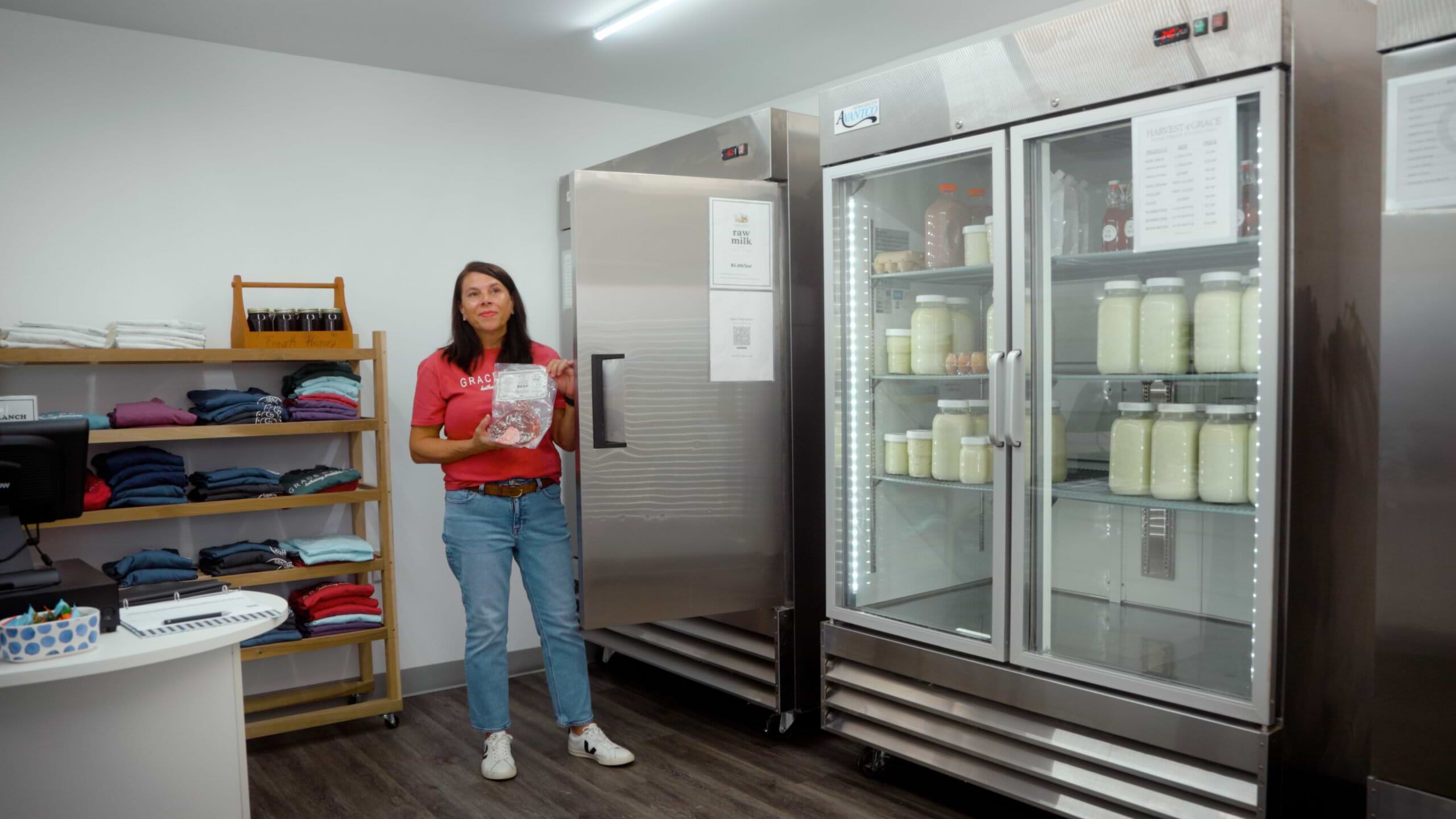
So, what do you do with that milk? Sell it, of course. Staci has a farm-to-table business where she sells raw milk along with yogurt and chocolate milk.
And it didn’t stop there. Neighbors and others knew that they raised steers for their own beef and started asking if they’d sell the meat. To which Staci figured that she should start doing that as well. “So she’s got her farm-to-table market and it’s thriving here in southwest Louisiana.”
Riomax As Drought Insurance
Nowhere, it seems, is immune from drought’s terrible grip. Back in the fall and winter of 22-23, southwest Louisiana and the Grace Ranch were no exception. “I didn’t have any rye grass and really didn’t have a whole lot of hay,” Chris recalls. “I was researching, trying to figure out what I was gong to do and came across Riomax on the internet.”