
Last updated on February 25th, 2026 at 09:15 pm

Ranching with fortitude since 1908
The folks at Garringer Farms believe in working hard; they also believe in working smart
YANCEY GARRINGER

Lonoke, Arkansas

“You have to have fortitude. You have to have persistence. But to sum it up in one simple word, a cattleman is a man with fortitude. He just knows he’s going to make it regardless of what he’s currently looking at, and he’s willing to take that adventure.”
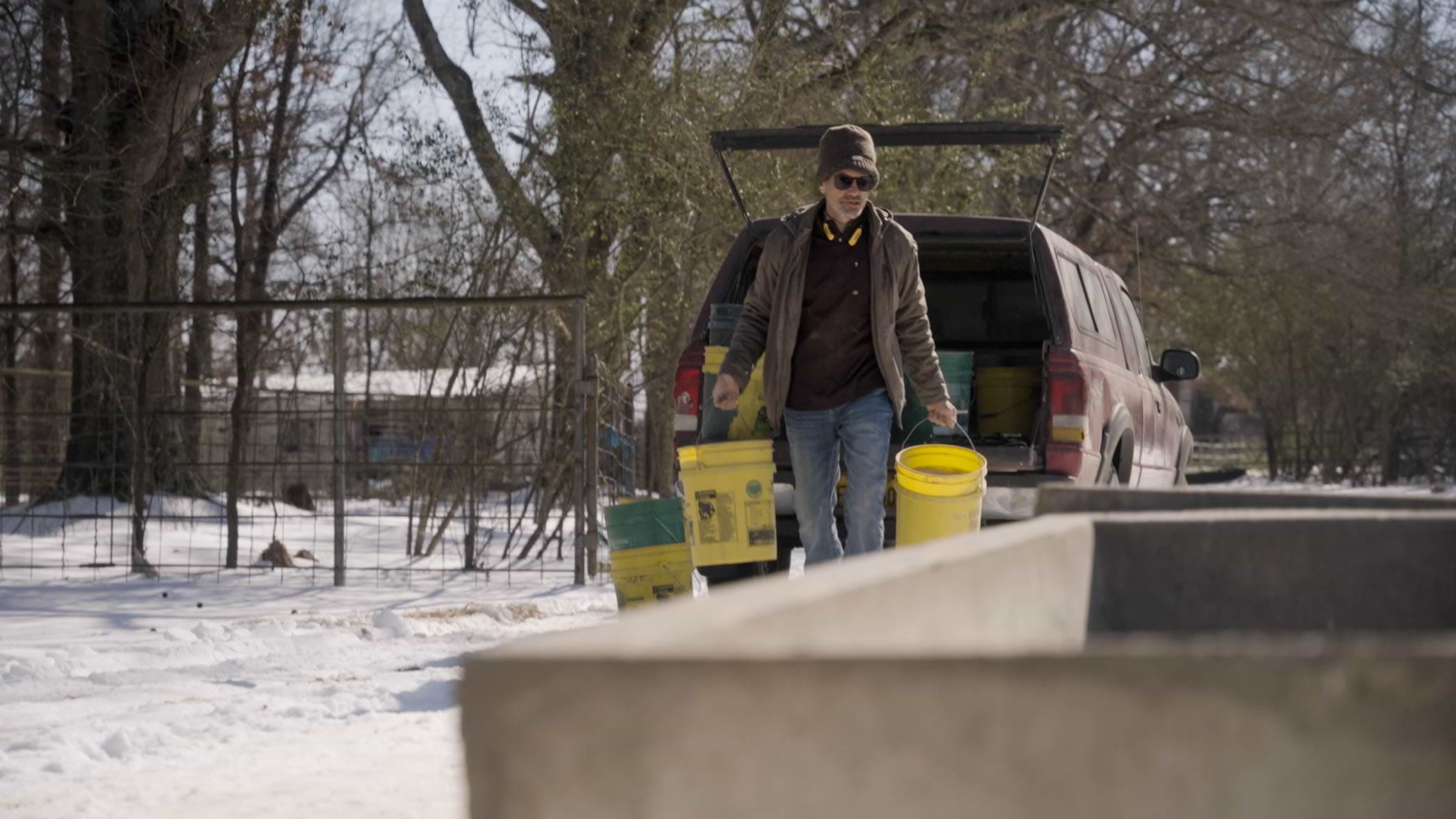
Those are the characteristics that describe a good rancher, Yancey Garringer says. It’s something he knows a little bit about, because he wraps those characteristics around himself every morning when he puts on his boots and goes to work running the cattle herd on Garringer Farms.
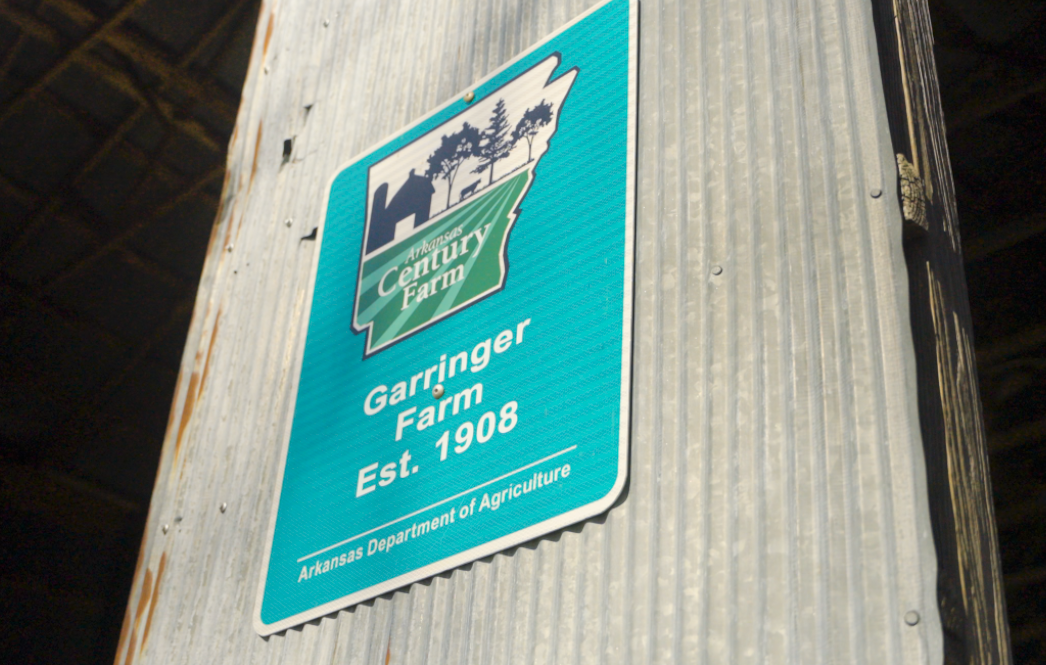
In fact, if Garringer Farms needed a motto, “Ranching with fortitude since 1908” would be a strong candidate. “We believe that if you work hard, it pays off, and that by being diligent in whatever it is that you’re doing, you can find success. You can’t be successful if you quit halfway.”
That’s an ethic that runs deep in the Garringer family. Garringer’s great grandfather left the fertile farmland of Illinois in favor of the equally fertile farmland of central Arkansas, located in the Arkansas Delta region on the north side of the Arkansas River.
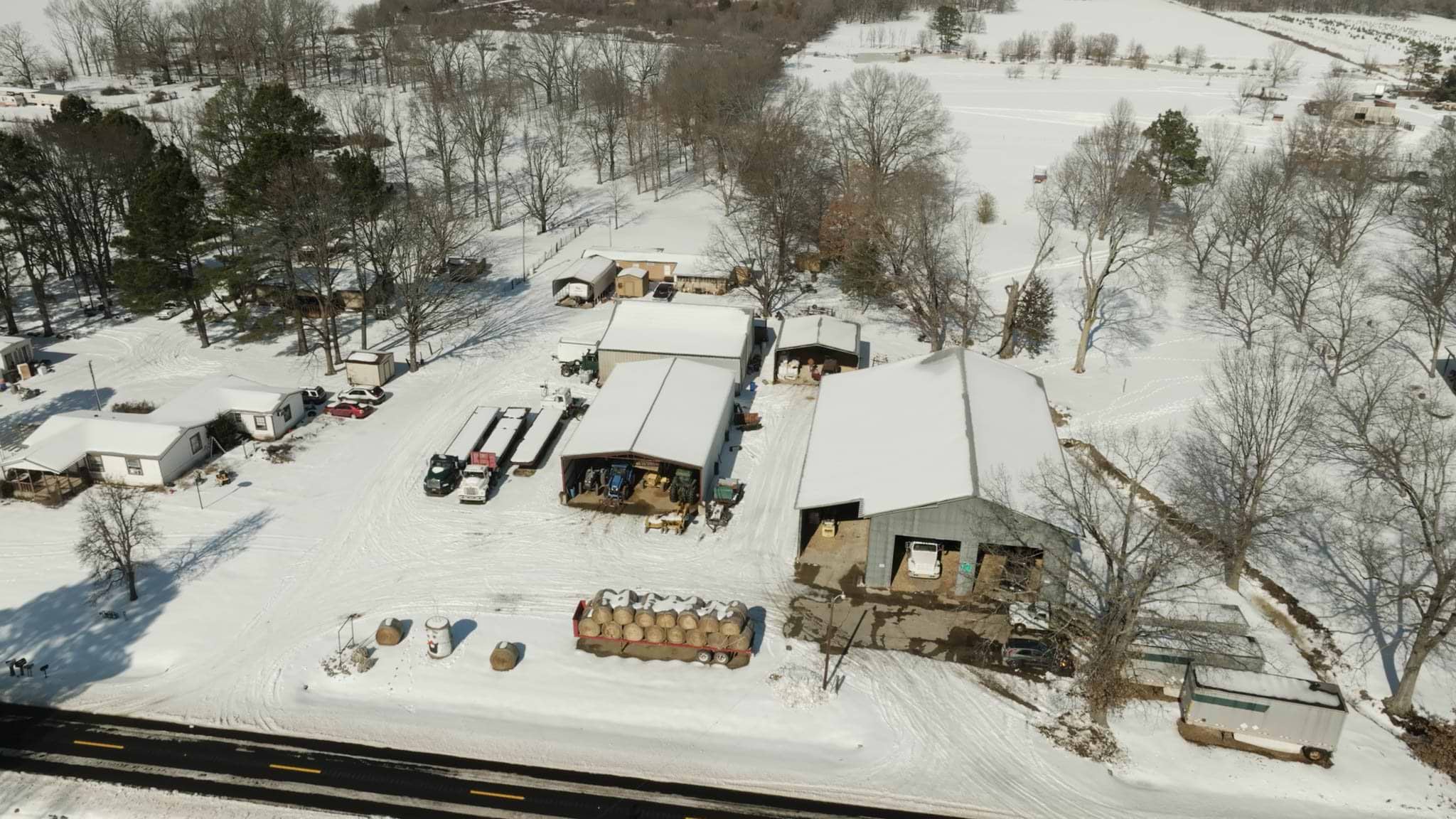
Originally, Garringer says, the operation included cattle and sheep, along with farming. Now, Garringer Farms is a diversified operation focusing on cattle and a myriad of farming—around 6,000 round bales of hay for their use and to sell to others, including high-quality Bermuda grass hay for horses; wheat and rice farming that produces 20,000 to 30,000 small square bales of wheat and rice straw sold to vegetable growers and nurseries around Little Rock and Hot Springs; and a Christmas tree farm.
The plural in Garringer Farms is important—the operation is divided into four separate entities run by Yancey, twin brothers Richard and Donald, and a cousin, Benton, named after his dad and great-great-grandfather Benton Garringer who hailed from Ohio. The patriarch of the outfit is Richard, who’s now mostly retired. What’s more, three of the current management team are war-time veterans. Their grandfather served in World War II, the elder Richard served in the Gulf War and the younger Richard served in Afghanistan and Bosnia.
Their great-grandfather passed away without a will and part of the operation was split up. “Now, my dad, my brothers and my cousin are in the process of trying to buy it back little by little,” Yancey says.
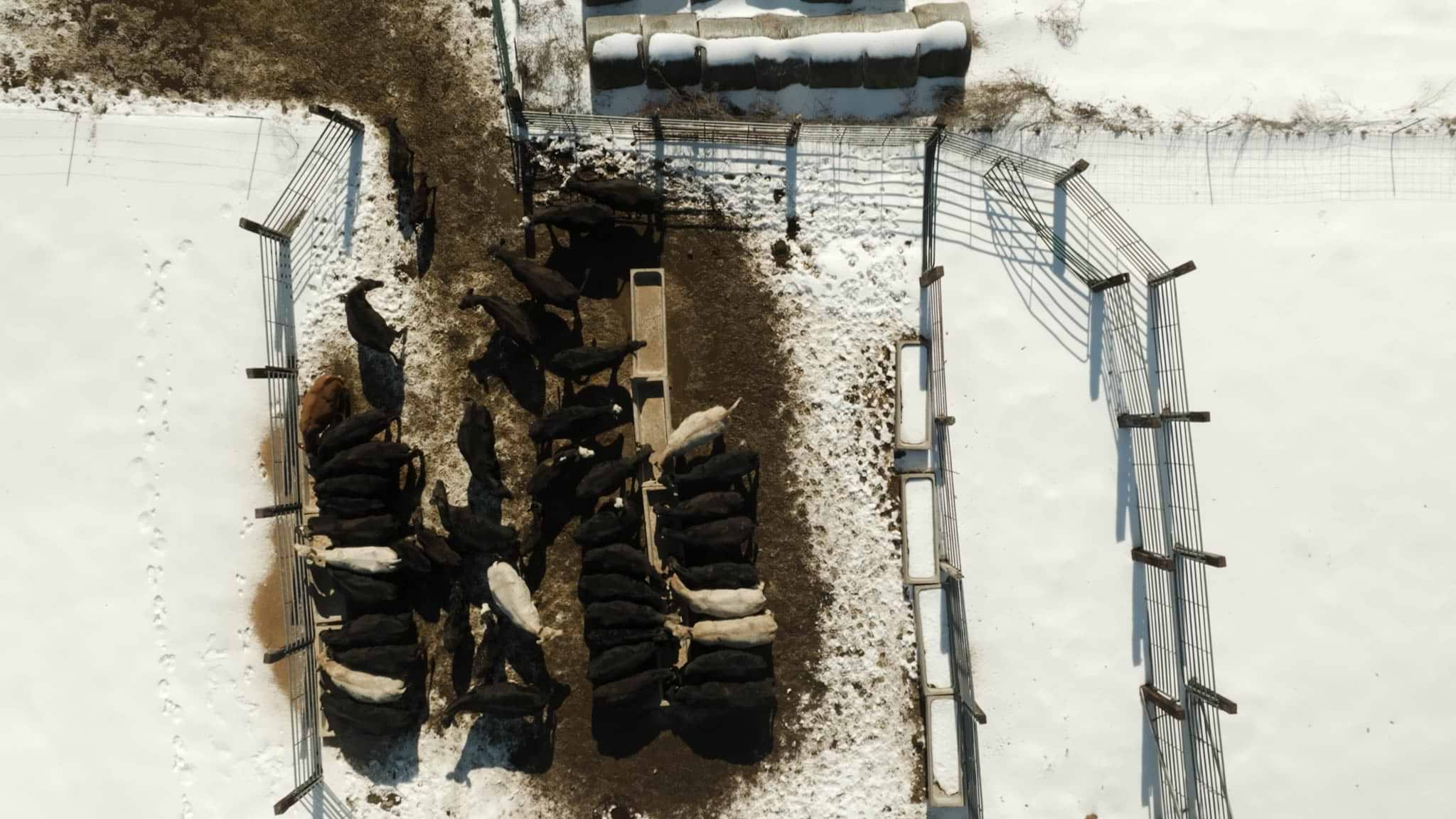
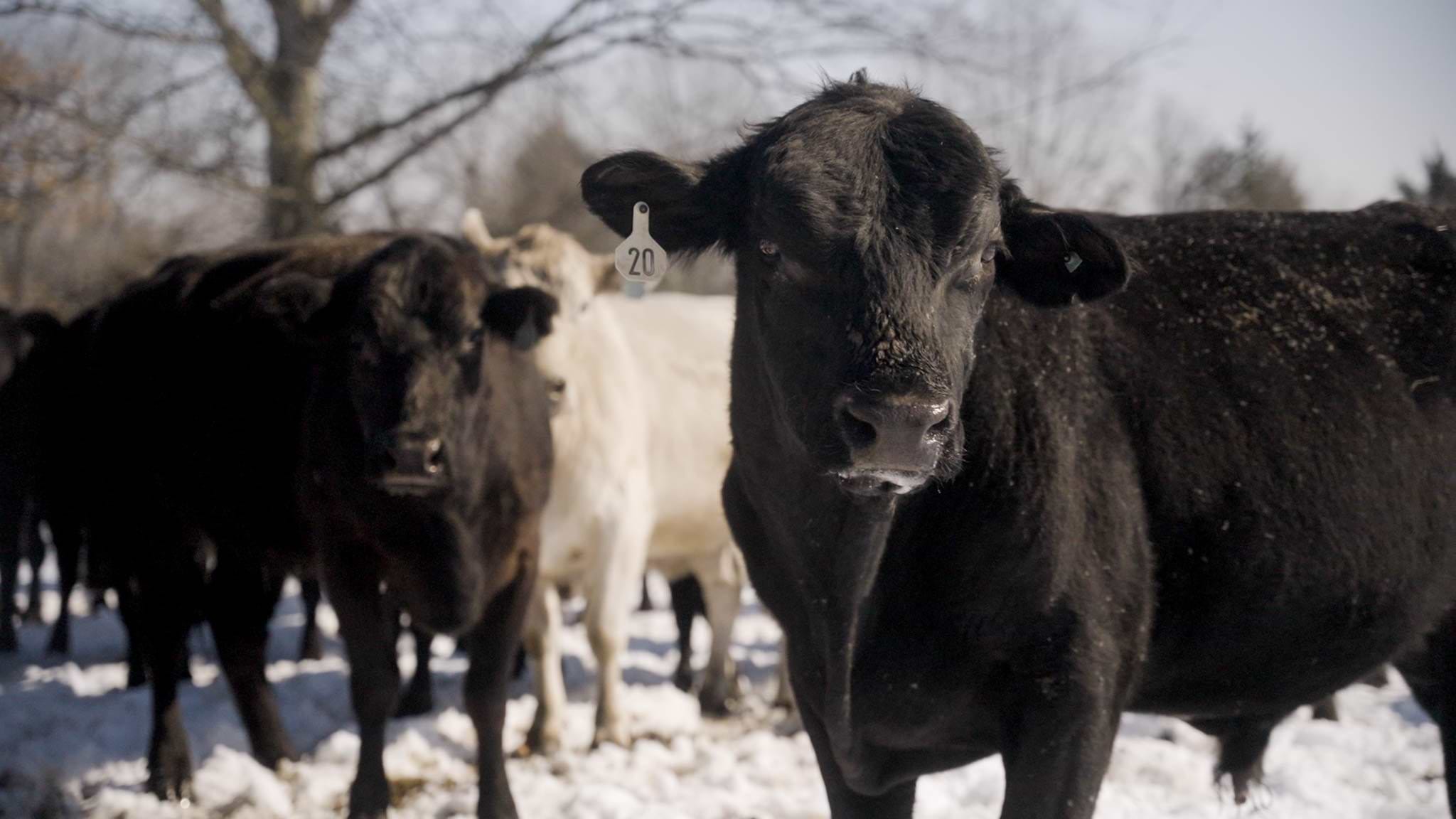
Yancey runs most of the operation that he and his dad own, with a concentration on the cattle. The herd runs around 250 head of commercial black baldy cows, with ownership scattered between the five Garringers.
The Riomax Boost
While working hard is essential in running a farm and ranch, working smart can be the element that leads to true success. That’s how Riomax found a home on Garringer Farms.
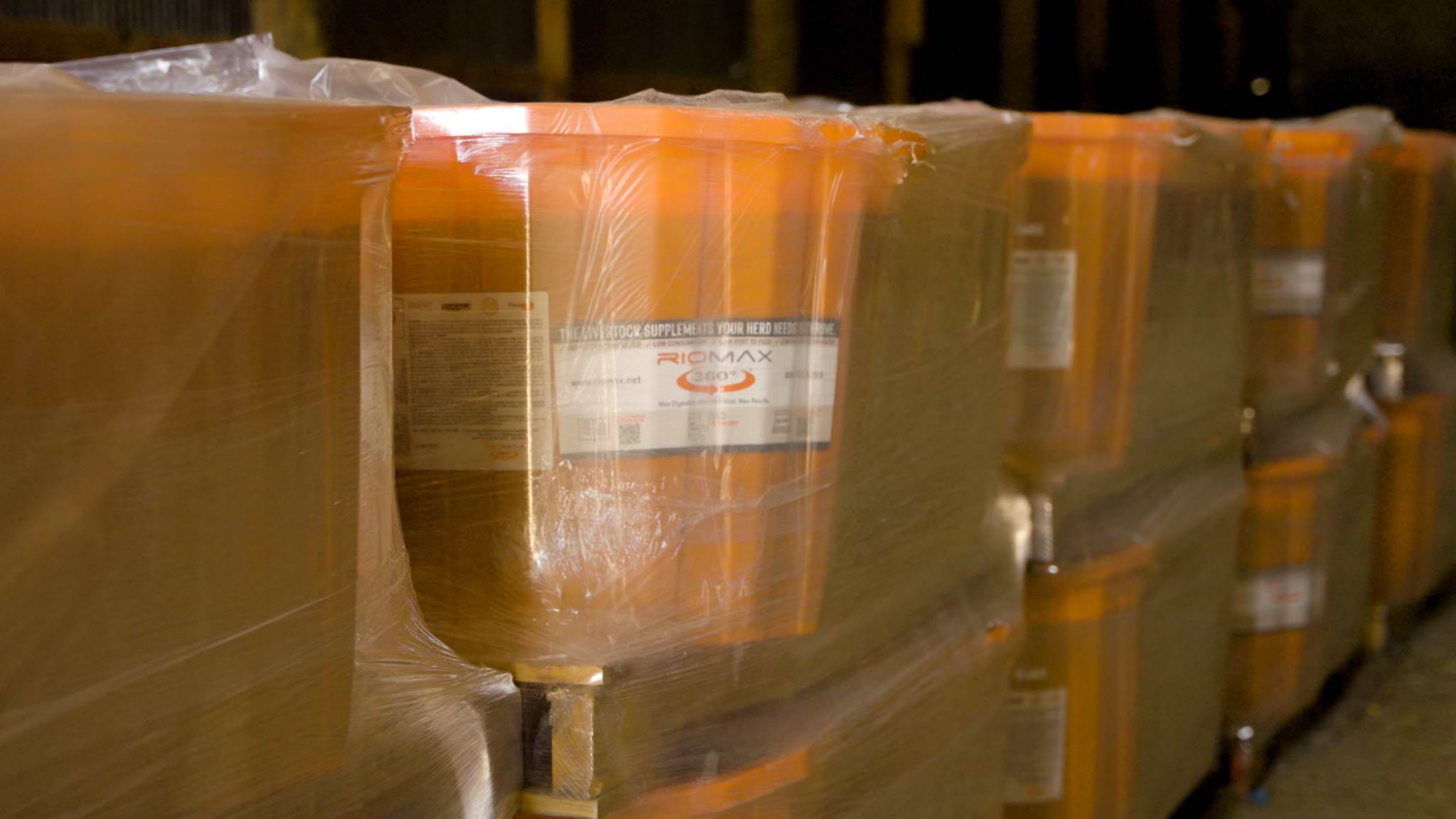
The black-baldy steers that are harvested for their farm-to-table program are grown on grass after weaning, then fed a high-corn ration for three months. In addition, the steers weaned in 2025 got a dose of Riomax Turboboost360 paste to reduce weaning stress along with the orange tubs that are readily available. Coupled with the grain diet, the Riomax mix ensures that their farm-to-table customers get the highest-quality beef that genetics, nutrition and management can produce.
“What caught my eye (about Riomax) was a video of a group of cattlemen and how they were talking about the overall soundness of the cattle,” Yancey recalls. That sparked his curiosity, so he watched several more videos which convinced him to find a dealer. However, there was nobody close, so he ended up contacting a dealer in Texarkana, Texas.
However, they’re not afraid to experiment with their genetics. “We added Baldy Simmental and Black Herefords to our Aberdeen Angus cattle line that was brought down to Arkansas by my great grandfather David Garringer in the early 1900s after settling up the farm here,” Yancey says, along with a small bunch of 30 or so Beefmaster cows and heifers.
“We try to keep our genetics and our bulls on the top side of the bracket, so our mamas keep producing nice heifers and nice steers, “Yancey says. Some heifers are retained to go back into the herd with the rest sold primarily at Arkansas Cattle Auction in Searcy, Arkansas, or occasionally at the Joplin Regional Stockyards in Joplin, Missouri.
Likewise, the steers are sold mainly at auction with around four held back to sell as crossbred bulls and few of the top-end steers retained to produce beef as part of their farm-to-table marketing effort they started in late 2024 and early 2025. As 2025 drew to a close, they were marketing about an animal a month to customers, with plans to expand.
That expansion is centered on adding Red Wagyu, or Akaushi, genetics. They bought a fullblood Akaushi bull in 2025 and will use the Beefmaster herd to begin crossbreeding, with the goal of breeding up to a purebred herd in around six years.
Wagyu beef is in high demand by consumers who are willing to pay for the high-quality, highly marbled meat. “We’re hoping to get some contracts with some high-end restaurants in the area to supply their beef demand,” Yancey says, along with selling directly to consumers through their farm-to-table program.
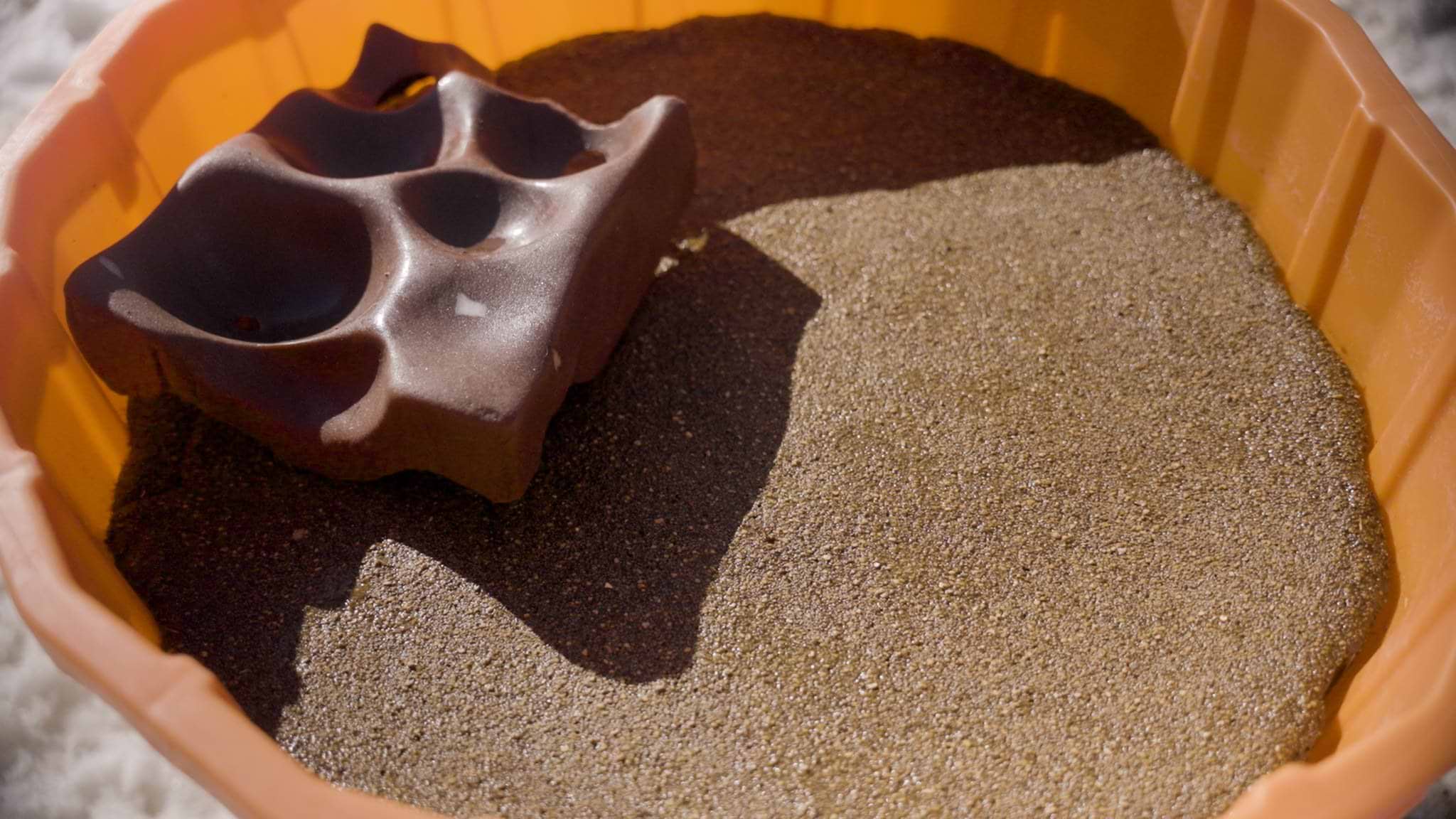
So, in the fall of 2023, Yancey did a test with 25 weaned heifers he planned to keep as replacements. He started with a small test because, as he says, “The stuff’s pretty expensive.” Were the tubs just another product that would fall short of the marketing promise? “We found that Riomax actually delivered,” he says.
“We saw a reduction in hay consumption by about a third and 24 of the 25 heifers conceived. And they were just fit. The most amazing thing about it was they were robust through the winter where normally they would have lost weight. It seemed that they weathered the winter, even though it’s not harsh here in Arkansas, much better than the ones that weren’t on the tubs,” he says.
“Now, all of our herd is on the tubs year ‘round and doing well.” Beyond that, the calves are set up for success with a robust animal health program that includes two rounds of shots.
With no dealer close by, the Garringers became Riomax dealers themselves and have a growing customer base. “Most of them have spoken really highly of it,” Yancey says. “They saw the same thing we saw—the cattle just seem more satisfied. They come and they eat and then they just chill.”
What Yancey noticed with their cattle once they started on Riomax, was they stopped prowling the pasture looking for something else during the winter hay feeding period, which runs generally from October to March. “We noticed that they’re not searching so hard. A lot of times in the winter the cattle just keep roaming like they’re looking for something they can’t find. But with the Riomax tubs being available, they’re satisfied. They don’t have that urgency or that search where they’re trying to find something that’s missing in their diet.”