THE MINERAL THAT ONLY COSTS ME 18 CENTS PER DAY!
Right after we dispersed in twenty ten, we were still trying to build our numbers back up to have enough cows for the grass that we had, so I kind of took on some cows for other people. One guy, he brought me, I think it was seventy five head of pears down, and he brought me down a pallet of loose mineral. I'd put out two bags, a hundred pounds, and before I left that hundred pounds was gone. And they were just craving it, you know, and cattle are, I guarantee not all the cattle were getting it. I called the guy and said, hey, what do I do? I said, I can't keep enough mineral in front of them. And that's what I like about these tubs is it's hard to take, you know, they'll lick for a while and then they quit and go on. And I think more cattle have a chance to come in and and be able to get get on the tub. We run a primarily a commercial herd of about three hundred and fifty to four hundred cows. We also run a small registered limousine herd that we sell show heifers out of for junior kids across the United States. One winter during calving season, I guess more in the spring, we were fighting scours really bad. We had state vets from Kansas and Iowa and everybody involved and our local vet. And what it really boiled down to, we were copper deficiency. Our ground and all of our hay and everything was really high in iron, and iron ties up copper. So we had a loose mineral made for us, and that really turned our problem around. I mean, as I got older and more involved in it, I finally convinced my dad that we didn't have to feed these cows from November one to May one. So we started doing a little more stock pile grazing and trying to find with that, we was needing to find something, some type of a tub that we could put out with these cows so they'd utilize the grass. So I'll be the first to admit. I mean, I've tried tried them all. Then I had some friends of mine from South Dakota that said that they have used Riomax and and I thought, well, we'll we'll give it a try. And I got on the phone and called. My biggest concern was is if they had enough copper that I would need so I didn't get back into having scour problems. And they guarantee or didn't guarantee me, but they said that, you know, they sure thought it was. And so I tried them and I think I've been on them for about eight years now. And so far we haven't had any scour problems. It was in the fall of the year, like November, December, and of course we'd moved some of the cows home and still had some cows out on stockpiled grass. And what I noticed more than anything was the cows that we'd moved home and was feeding some hay, they weren't going through as much hay as what normally we had been. And then we put the mother cow, like the cows are still on stockpiled grass. I mean, just seem like they're holding their condition a little bit better. That first set of cows we was in this morning or earlier, them things have been out on stockpiled grass since around the first of November. A brome fescue mix grass. We moved them home just four days ago and they hadn't, at that time, they hadn't had any hay at all. They were just on the Rio tubs and loose salt. And them cows actually, when we unloaded them over there the first time, they were, we just weaned calves off and they were pretty thin. Them things had put on a bunch of weight while they were over on there. And so that saved me, you know, almost three months of hay that I didn't have to feed them cows. I'm not a big on what all the stuff they called in them tubs, but you know, it's just doing they're getting more utilization out of their grass because they're on these tubs. I just, I think that's the biggest thing I've seen with these things for me is the hay savings and being able to keep these cows out on grass longer. You can put this mineral out and the weather don't affect it much and in summertime, you know, I place them out and kinda in the far corners are where I think the grass needs to be utilized more instead of around the loafing areas and and make them cattle go out and graze the pastures better. It seemed like with the loose mineral, I mean, we were always trying to keep the feeder, mineral feeders up and covered so the rain and weather didn't bother them. And now I don't have to worry about it. The initial cost of it is, you know, it makes everybody think, wow, can we afford to do this? My theory is you gotta give something a chance. That time I was trying to keep track of what everything was. I kept saying, know, quarter or third pound a day, you know, up to forty one cents is what it could cost you. I think the last time I checked it, it was down to eighteen cents a day is what it was costing me. My wife don't like it when we get the half semi load in, but I finally got her convinced that it's saving us feed otherwise. Right now, this winter, my cows are probably as good a rig as they've been in for the last several years. There's times when they need it, there's times when they don't, and the cows will tell you. Think over time, I think it does pay for itself.
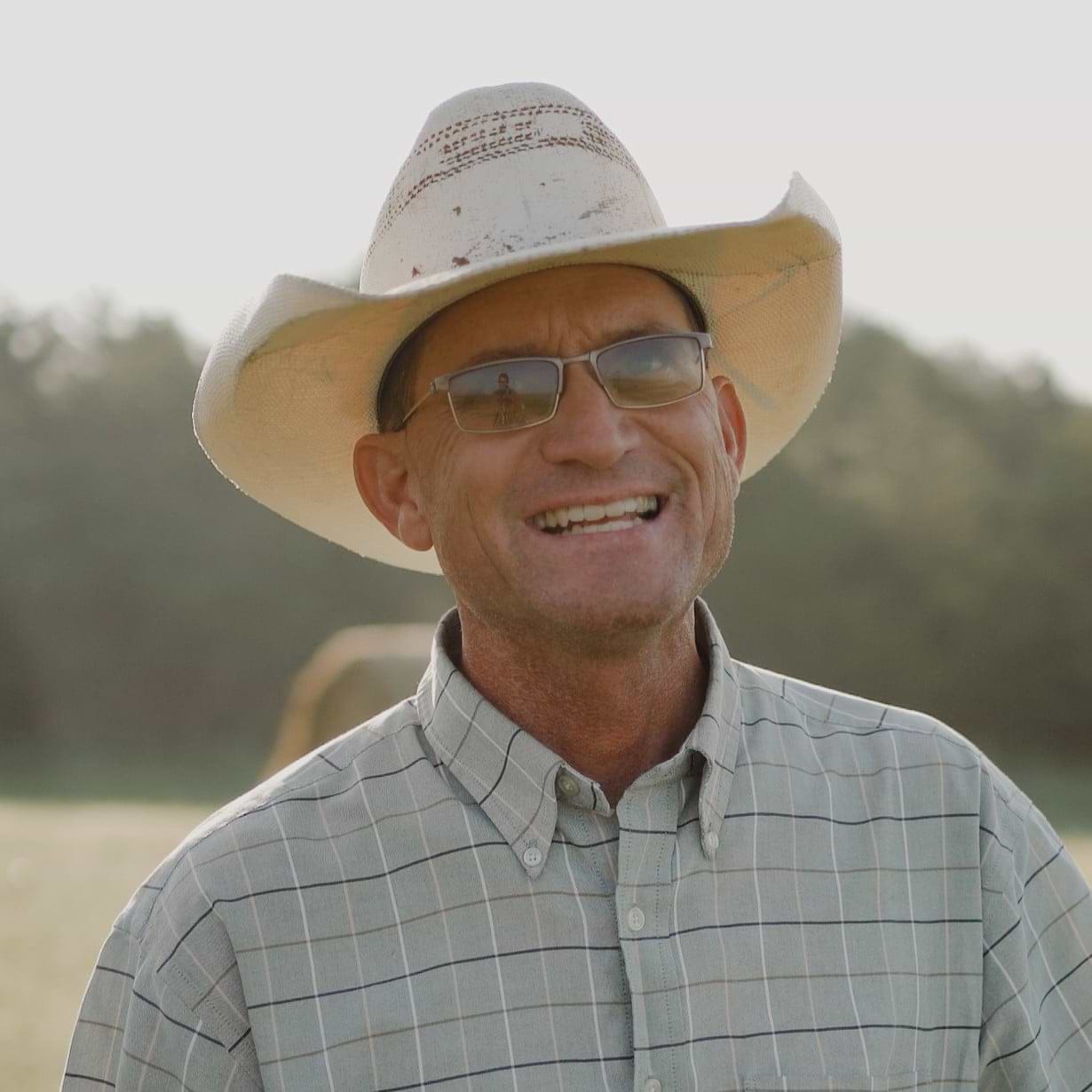
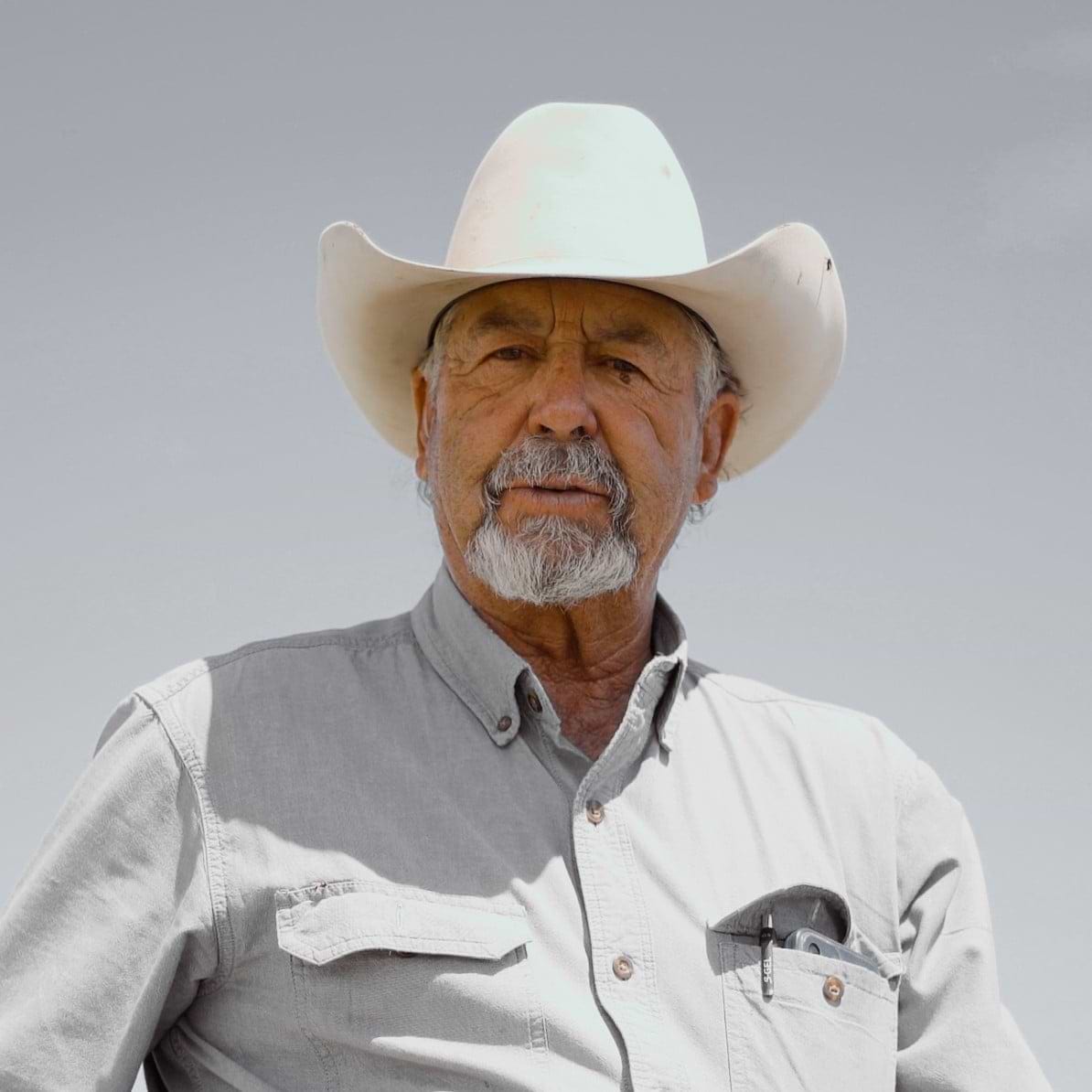
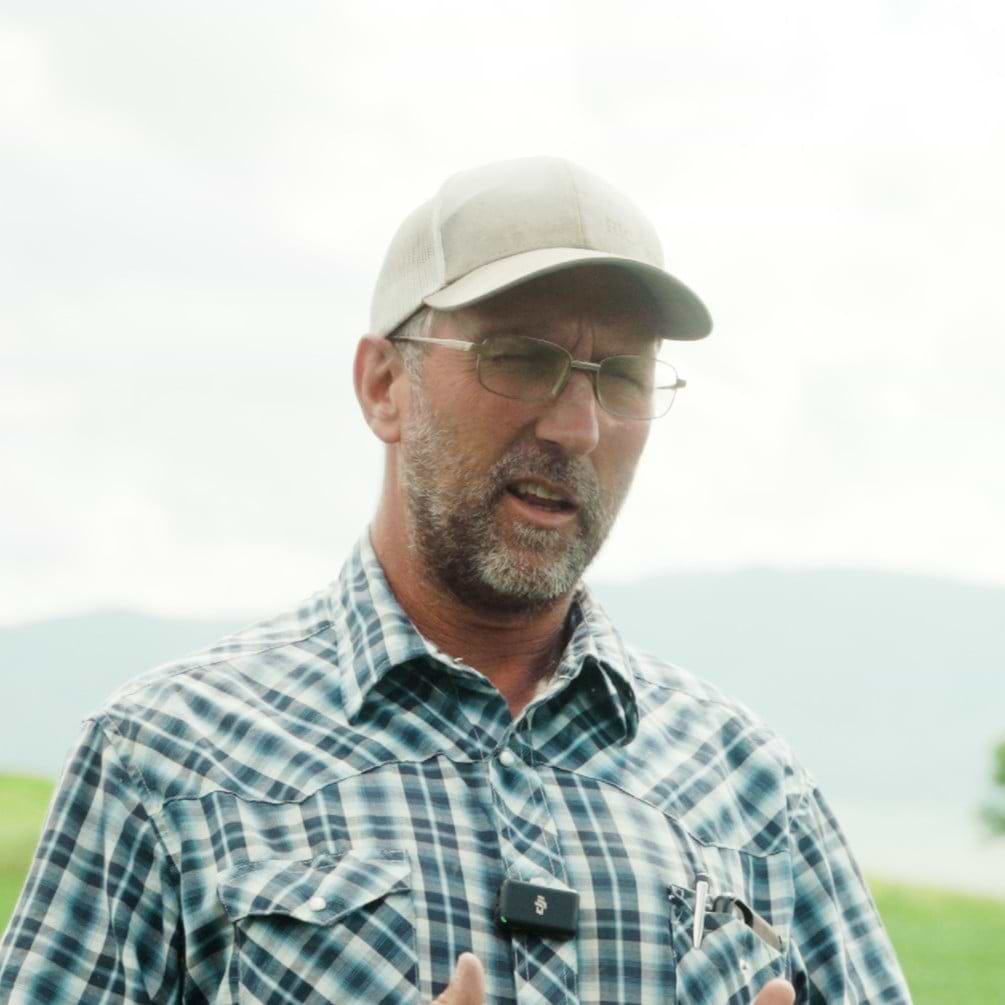
David Ratliff - Westphalia, KS
Fast Facts
- No Scours in 8 years
- Cut 3 months of hay feeding
- Mineral costs 18 cents head/day
- Cows stayed on grass longer
David runs a commercial cow herd along with a small registered program, and over the years he’s dealt with his share of challenges—mineral intake, copper deficiency, and ongoing scours issues.
In this video, he talks through what he changed and what he’s seen since.
A few things he points out:
He hasn’t had scours issues in about 8 years
He was able to keep cows out on grass longer and cut back roughly 3 months of hay feeding
His estimated cost came out lower than he expected, around 18¢ per head per day
He also shares how his approach to grazing and supplementation has changed over time, and what he’s paying attention to now when it comes to cow condition and feed usage.
This is just his experience—what worked for his operation and what he noticed over time.
Open cows, pounds you don't wean, sickness, or forage that goes out the back end don't make you money, do they?
A healthy herd drives profits higher. And a profitable ranch can withstand volatile markets and unpredictable weather. Gain control of your future.
15-30% forage & hay savings with Riomax
Riomax® is revolutionizing the way ranchers deal with high input costs. With better digestion, your herd can get all the nutrients they need from less grass. This leaves you with more days on grass (you start feeding later in the fall), less stress, and a more padded pocketbook.
Seen a lot of savings on our on our pastures. Generally, figure about five and a half to six acres of pair around through here. We've been even last year through the drought of that we had of twenty twenty, we did four and a half acres of pair on on ours, still had adequate grass left. Cattle came off in good condition. They weren't weren't malnutritioned, weren't low body scores. Been running pretty consistent, six body score better on everything. We're paying right around fifty dollar an acre cash rent up here is kinda kind of a common thing. You can knock out an acre here off of every cow that that saves a lot of money. Mean, fifty fifty bucks and you don't need four hundred another four hundred acres. It's another twenty thousand. So all of a sudden you got forty forty five thousand dollars in your pocket and you still have all the extra added benefits through the mineral, the health benefits of it. And it really saved on the last year too with the drought. We didn't think we'd get through. We put the same amount of number in the pastures and it didn't rain. We pulled it out and we still had old grass in the pasture. I didn't know the tub saved that whole deal. We had stretched it a lot because there was a lot of people selling cows and we didn't sell anything and we didn't pull them out early. And this year, most of the pastures around here are pretty much nothing. And we drove through everything. We still got, you know, shoots of grass and tufts of grass all over the place. Not a lot, but it we kept them. It made a huge difference. As far as paying for itself, you know, you got to feed and you start saving instead of a lot of guys are up to forty five, fifty five pounds. It was figured somewhere in there a big cow and even when they had the calf on them sixty pounds. So if you're feeding thirty pounds, yeah, it's gonna easily pay for itself without you see a bit. I mean, we, you can see it on the cow calf pairs too, bigger calves. We calve in May, June, and we're weaving seven hundred and some pound calves off of Dallas. So it makes, yeah, we can see the difference really easy. You just go through each step and see We're running more cows than we used to run on the same acres. That is a big deal. Because I used to on on my pastures, they're not big pastures, but on my pastures, I used to run twenty five head and they would have it grazed down to nothing in five months easy. Now I can run thirty, thirty five on the same pastures, and they can stay there another month longer easy on any given year. And this year, they got to stay two months longer, and there's still grass left over. Well, yeah, it's high priced, but it's like if if you can afford or not. But I think you can afford it because you cannot afford not to feed it because you can get your cattle to market faster. They're healthier. You could run more cattle on your land or you can stay there longer before you have to move on to an another patch. The cows are way healthier. They're way more content. They're happy. They're happy cows.
RANCHING AIN'T EASY.
FOR ALL THE WORK THAT YOU DO, YOU DESERVE
MORE IN RETURN.
15 - 30% FORAGE SAVINGS
3 - 10% INCREASE IN CONCEPTION RATES
10 - 40 LBS. INCREASE IN WEANING WEIGHTS
Check out our #1 bestselling tub!
- Complete Digestion Package
- 100% Protected Key Trace Mineral Pack
- 45¢ USD per Head per Day (before quantity discounts)
- Low Consumption - Guaranteed
- All Natural
we've positively impacted 6,000+ ranches across north america. We'd love to work with you too.
"Those tubs paid for themselves...in that first winter alone. It would' have costed me well over $100,000 to purchase that much feed."
John McEvoy
Prince George, BC
“Went from 40 acres/cow in this drought to 30 acres/cow – that’s $70/cow/year!“
Raymond Rivale
Des Moines, NM
“Compared to average of 450-500 lb in this country, we wean 600-650 lb calves.“
Carter Williams
Willcox, AZ
“I wouldn’t be using it if it didn’t pay for itself. I’m a cheapskate by nature.“
Kim Siebert
Henderson, NE
“The proof is in the pudding – conception rates, feed utilization.“
Tom Schnabel
Eureka, SD
“Main thing is stretching poor quality feeds – cattle are always content.“
Dustin Heitkamp
Wyndmere, ND
“We’ve been feeding Riomax® for 4 years now – we’ll continue – it pays for itself.“
Tom Perkins
McIntosh, NM
“The cost gets offset with better conception rates, less hay costs.“
Alan Ista
Hulett, WY
How do ya get it?
Reach out & let’s talk about your ranch
Help us understand the needs of your ranch & the challenges you face. Then we’ll crunch the numbers to see if Riomax is a fit for your ranch.

FIND THE RIGHT NUTRITION PROGRAM
Get a program that fits your needs and pays for itself. Shipped direct or through our dealer network.

ENJOY ONGOING SUPPORT
Our herd health guides and network of dealers are here to ensure Riomax® is paying for itself.
Reach out & let’s talk about your ranch
Help us understand the needs of your ranch & the challenges you face. Then we’ll crunch the numbers to see if Riomax is a fit for your ranch.
FIND THE RIGHT NUTRITION PROGRAM
Get a program that fits your needs and pays for itself. Shipped direct or through our dealer network.
ENJOY ONGOING SUPPORT
Our herd health guides and network of dealers are here to ensure Riomax® is paying for itself.
In this video, we'll cover...
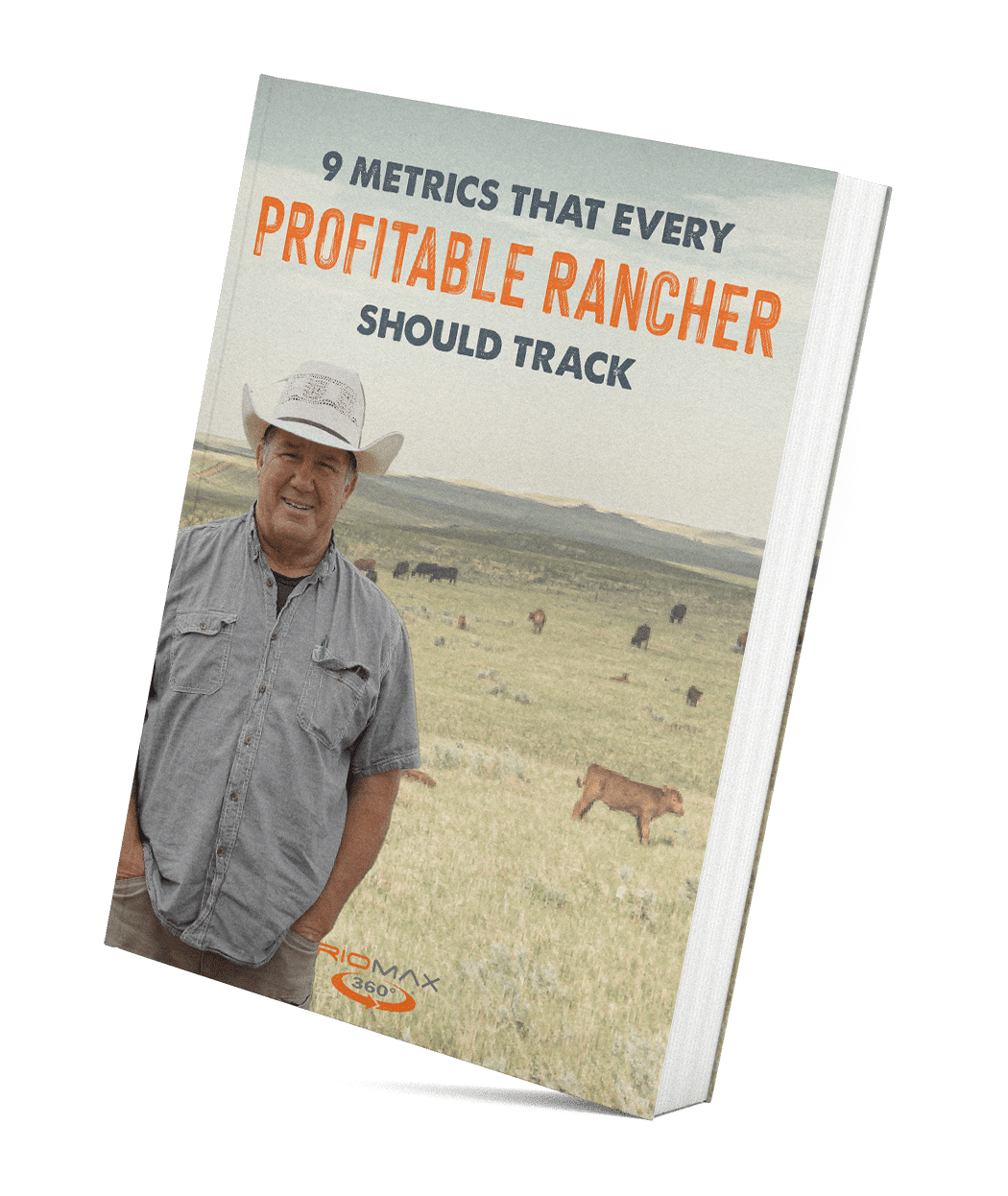
9 Metrics Every Profitable Rancher Should Track!
Progressive, profitable ranchers don't become successful just by a little bit of luck. They treat their ranching operation as a business that's gotta make money. Download this PDF to discover 9 key metrics that many successful ranchers watch to keep them on the right track.